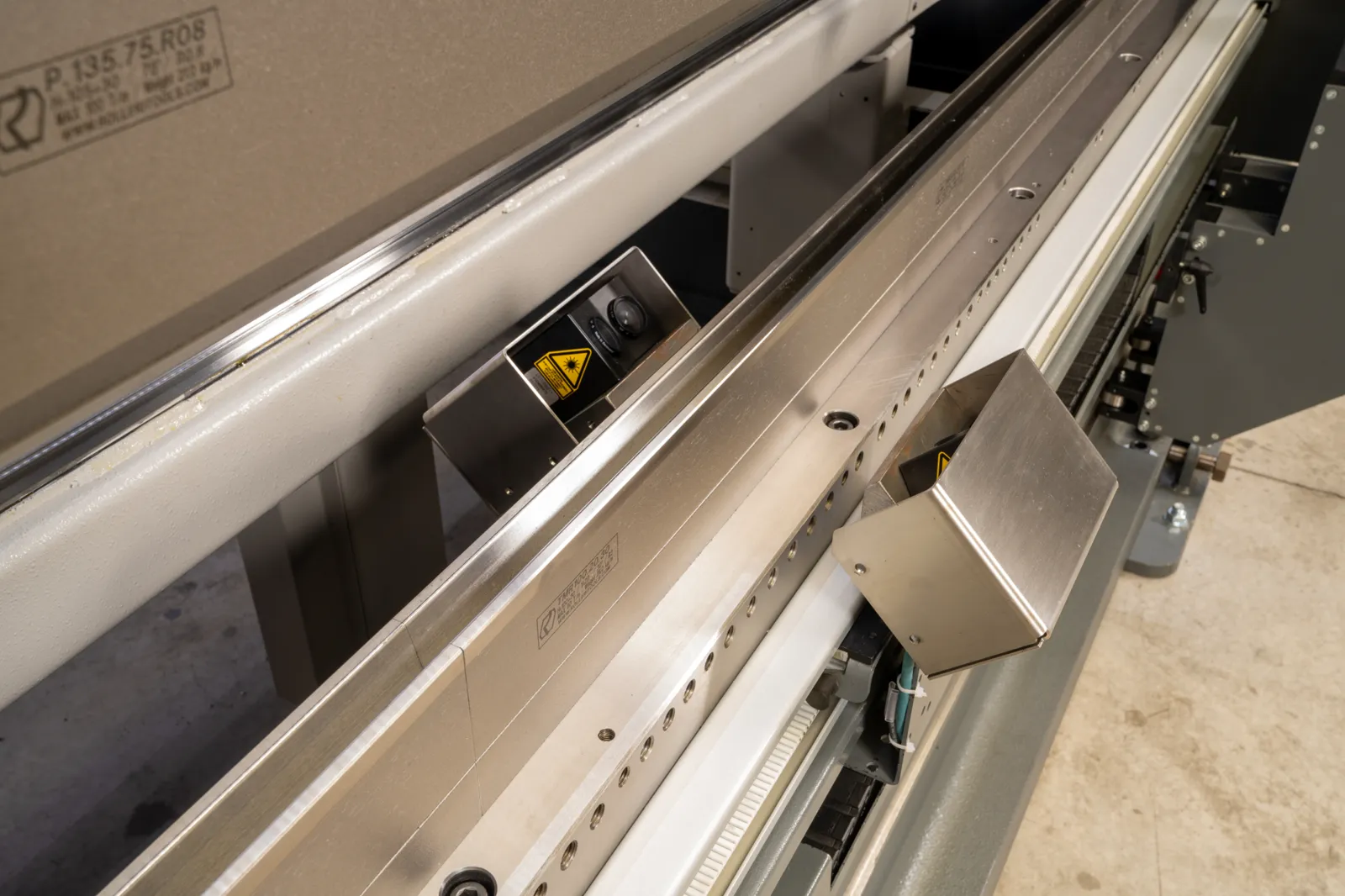
A CNC press brake is one of the most mechanically demanding machines in a fabrication shop — high tonnage, continuous cycling, hydraulic system under constant pressure, and precision back-gauge movement repeated thousands of times a shift. Without a structured preventive maintenance program, you are not extending machine life; you are just deferring the failure date.
This checklist covers the tasks that matter most at each interval — daily through annual — and explains what each one is protecting against.
Daily Maintenance Checklist
These tasks take under 10 minutes. Skipping them consistently is how minor issues — a low oil level, a loose tooling seat — become a full-shift shutdown.
Weekly Maintenance Checklist
Weekly tasks focus on the hydraulic system condition and back-gauge mechanics — the two systems that most commonly cause unscheduled downtime when neglected.

Monthly Maintenance Checklist
Monthly tasks go deeper into the hydraulic system and machine geometry — the checks that prevent the gradual drift in accuracy that shows up as unexplained angular variance after months of operation.
Annual Maintenance Checklist
Annual service is the reset point — full hydraulic oil change, complete calibration, and the inspection items that need a machine shutdown of several hours. Schedule this during a planned low-production period.
The 6 Failure Modes This Schedule Prevents
Each interval targets specific failure patterns. Understanding what you are preventing makes the discipline easier to maintain.
Hydraulic pump cavitation
Caused by low oil level, aerated oil, or blocked suction strainer. Prevented by daily oil level checks and monthly filter changes.
Ram parallelism drift
Develops gradually from uneven loading. Caught by monthly calibration check — costs 20 minutes monthly vs. a full realignment job.
Back-gauge ball screw wear
Accelerated by dry operation. Weekly lubrication extends ball screw life 3–5× versus unlubricated service intervals.
Control overheating
Caused by clogged cabinet cooling filter — most common in summer. Weekly filter cleaning is a 2-minute task that prevents a $3,000+ control board failure.
Hydraulic seal failure
Seals degrade from contaminated oil and thermal cycling. Oil analysis and annual seal inspection catch degradation before it becomes a full cylinder rebuild.
Tooling damage from improper seating
A chip or burr under a punch seat concentrates load unevenly — fracturing the tool or the holder. Daily seating inspection eliminates this failure mode entirely.
Press Brake Tooling Care
Storage
- Store punches and dies vertically in a dedicated rack — never stacked horizontally
- Apply a light coat of machine oil to ground surfaces before storage
- Keep tooling sets together and labelled by V-opening and punch radius
- Store in a controlled environment — humidity causes corrosion on precision ground surfaces
Inspection
- Inspect punch tips for chipping or edge rounding after every heavy production run
- Check die V-opening edges for galling from repeated material entry
- Measure punch-to-die clearance if bending angles drift without parameter changes
- Inspect alignment pins and holders for wear at each tooling change
Replacement criteria
- Replace punch if tip radius has increased by more than 0.05 mm from spec
- Replace V-die if edge radius exceeds spec — surface finish on bent parts degrades
- Never use cracked or chipped tooling — risk of catastrophic fracture under load
- Contact Machinist's Vault for Wila and European-standard tooling replacements
If your press brake requires a service call — hydraulic system repair, ram calibration, or electrical diagnosis — the Rise Tek service team covers Haco and Dener machines across Canada. For routine consumables and tooling, Machinist's Vault stocks compatible hydraulic filters, seal kits, and punch/die sets available for same-week delivery.
Frequently Asked Questions
How often should I change hydraulic oil on a press brake?
Annual oil changes are the industry standard for continuous-use production machines, or every 2,000 operating hours — whichever comes first. If your oil analysis shows elevated particulate levels or viscosity drift before the annual interval, change it early. Contaminated oil is the leading cause of premature pump and seal failure.
My press brake is producing inconsistent angles without any parameter changes — what should I check first?
Check three things in order: (1) tooling seating — a chip or burr under the punch creates inconsistent force; (2) hydraulic pressure — if it has drifted from the set point, the ram is not generating consistent force; (3) crowning calibration — if the crowning system has shifted, angle variance will be worst at the centre of long bends. If all three check out, inspect back-gauge positioning accuracy.
How do I know if my light curtain is working correctly?
Have a trained, authorized person follow the machine and protective-device manufacturers' test procedure using the specified test piece. Never place a hand or other body part in the danger zone to test stopping. If the protection fails a check, stop using the machine, follow the site's isolation procedure and arrange qualified service before returning it to operation. Pilz lists dedicated test pieces for its light curtains; the correct device and procedure depend on the installed system.
Can I extend hydraulic filter change intervals to reduce costs?
No — hydraulic filter intervals should not be extended beyond manufacturer specifications regardless of cost pressure. A clogged filter bypasses and sends contaminated oil directly to pump internals. A new filter element costs a fraction of what a pump replacement costs. If the filter indicator triggers before the scheduled interval, investigate why — excessive contamination indicates a system problem, not a reason to extend the interval.