A compact fiber laser can also be a 5×10 machine. “Compact” describes how the equipment fits into the shop. “5×10” usually refers to nominal sheet size, 60 × 120 in. (1,524 × 3,048 mm). For a Canadian shop choosing between layouts, the deciding question is whether the quoted machine can cut your recurring nests and whether your crew can get the stock in and finished parts out during a normal shift.
Consider the G3015 Mini S. Rise Tek lists a working area of 3,100 × 1,550 mm. Both dimensions exceed nominal 5×10 stock. The difference across the width is just 26 mm in total. Confirm the supplier’s permitted stock size, locating arrangement and usable nesting margins before relying on that difference. The working-area numbers describe the cutting table. Ask for a separate drawing of the installed equipment.
How much floor space does a 5×10 laser need?
A 5×10 sheet covers 50 sq. ft. (about 4.65 m²). To budget actual shop space, ask for a dimensioned layout of the exact machine, table and ancillary equipment you plan to order. Mark columns, walls, door openings and nearby workstations on a scaled shop plan. Draw the machine in its loading and service positions as well as its cutting position.
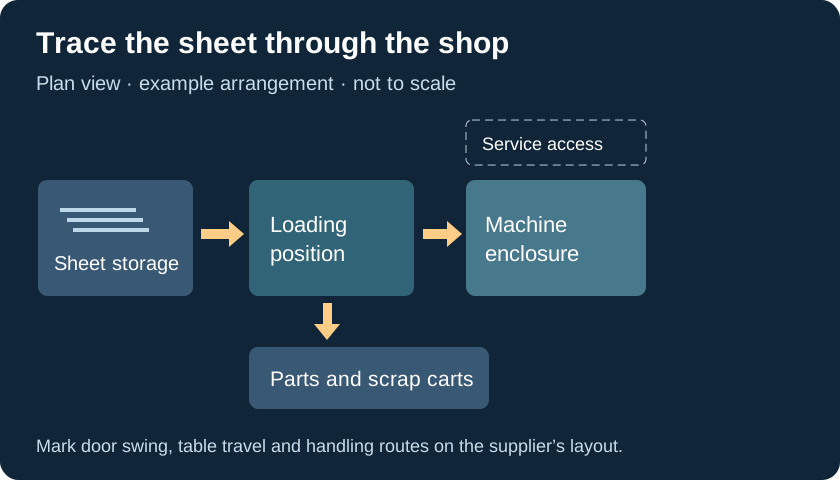
| Area | What to mark | What can change the choice |
|---|---|---|
| Machine and services | Enclosure, full table travel, access doors, chiller, extraction unit and service panels. | A compact enclosure may still need more depth on the loading side than the available bay provides. |
| Incoming stock | Rack position, longest sheet, lift approach, turning space and overhead obstructions. | A full sheet may fit the table but require a different route from receiving. |
| Finished work | Sorting space, carts for the largest panel, skeleton removal and a place for reusable remnants. | A large panel going to the brake needs a clear exit even when the next sheet is staged. |
Walk one sheet from receiving to the press brake
Pick the largest and heaviest stock you regularly buy. Record its actual dimensions, grade, thickness and weight from your supplier, then check the quoted table rating and your handling equipment for that load. Have the people who unload trucks, run the laser and collect the parts trace the same route together. Include the bin or rack that normally occupies the bay during production.
A single-table layout can suit mixed work where the next sheet changes frequently. An exchange-table configuration may let the crew prepare another sheet while cutting continues. Ask the supplier to show which tasks can overlap on the quoted system. Then check whether the same operator, crane or cart is needed for both tasks. A second pallet brings little scheduling benefit if it has to wait for the only available lift.
Let the part mix decide how much bed you need
Start with a month of orders. For each recurring job, record the flat blank dimensions, material and thickness, grain or protective-film direction, quantity per run and stock size purchased. Separate rush prototypes, repeat batches and occasional oversized parts. Count sheets and orders as well as part numbers. One recurring cabinet panel can account for more table time than dozens of seldom-ordered brackets.
Example. A 52 × 90 in. enclosure blank is wider than a 48 × 96 in. sheet in either feasible orientation. It fits inside the nominal rectangle of a 60 × 120 in. sheet, subject to the actual nest margins and cutting envelope. A shop making that panel every week has a concrete reason to trial full sheets. A shop making mainly small brackets should also trial a remnant nest and record the time spent locating, loading and sorting it.
Send the same drawing files and quantities to each supplier. Ask for a nest showing stock size, count of accepted parts, edge allowances and the size of any usable remnant. For the example panel, also confirm that the shop can move the finished blank to bending without blocking the laser’s next load. The sheet nesting guide covers material utilization in more detail.
Compare the full cycle on your own jobs
Trial a repeat full sheet, a mixed short run and a remnant job. Record load, locate, cut, unload, sort and changeover times. Mark activities that overlap and record total elapsed time from available stock to accepted parts on a cart. Compare completed parts per shift using the same staffing, stock and inspection assumptions. Ask the supplier to identify accessories used during the trial and price them in the written quote.
Check these out
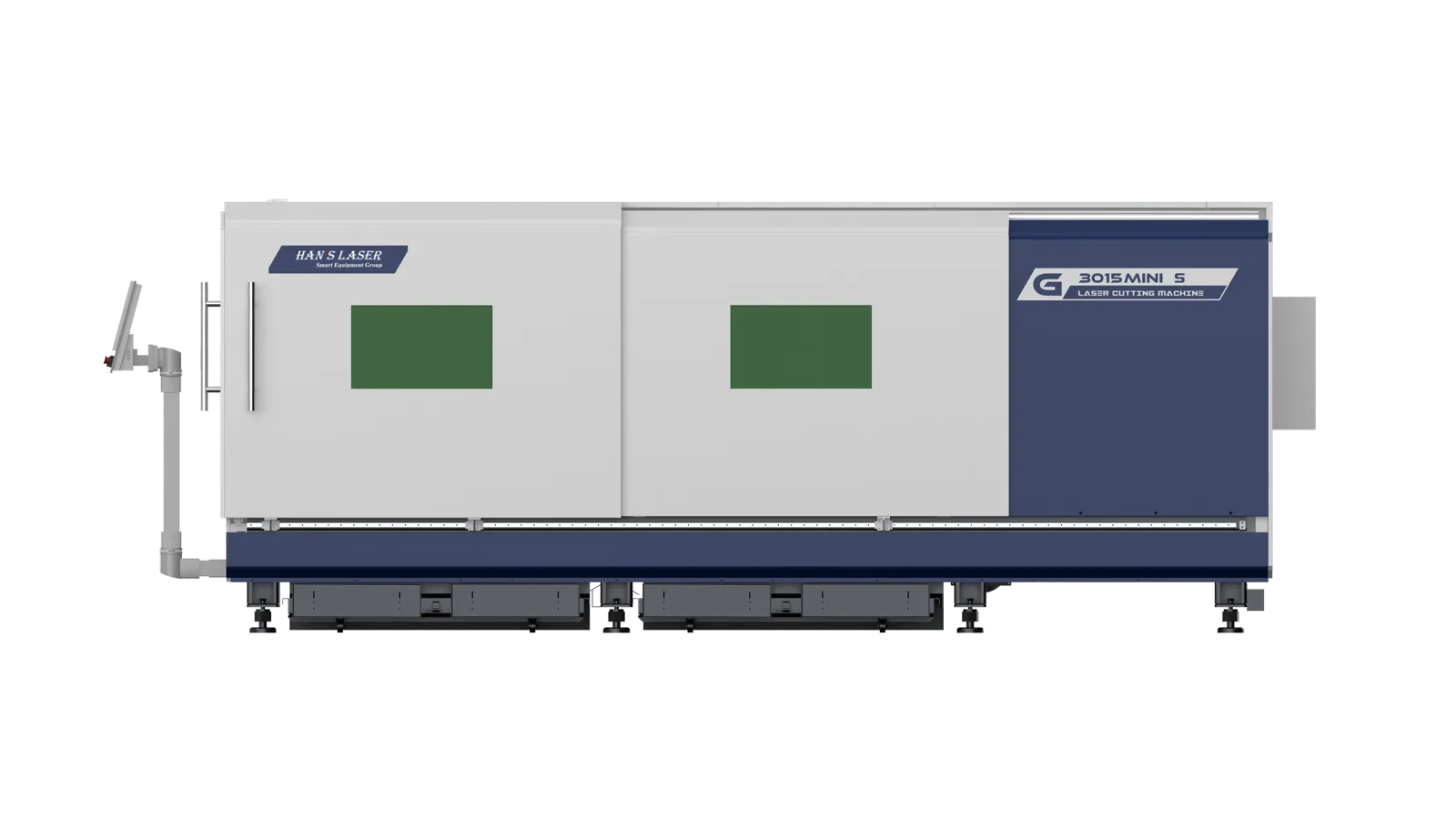
G3015 Mini S
Review the compact layout and ask for a drawing with its single exchange table fully extended. Check front and long-side access against your loading route.
Explore Mini S →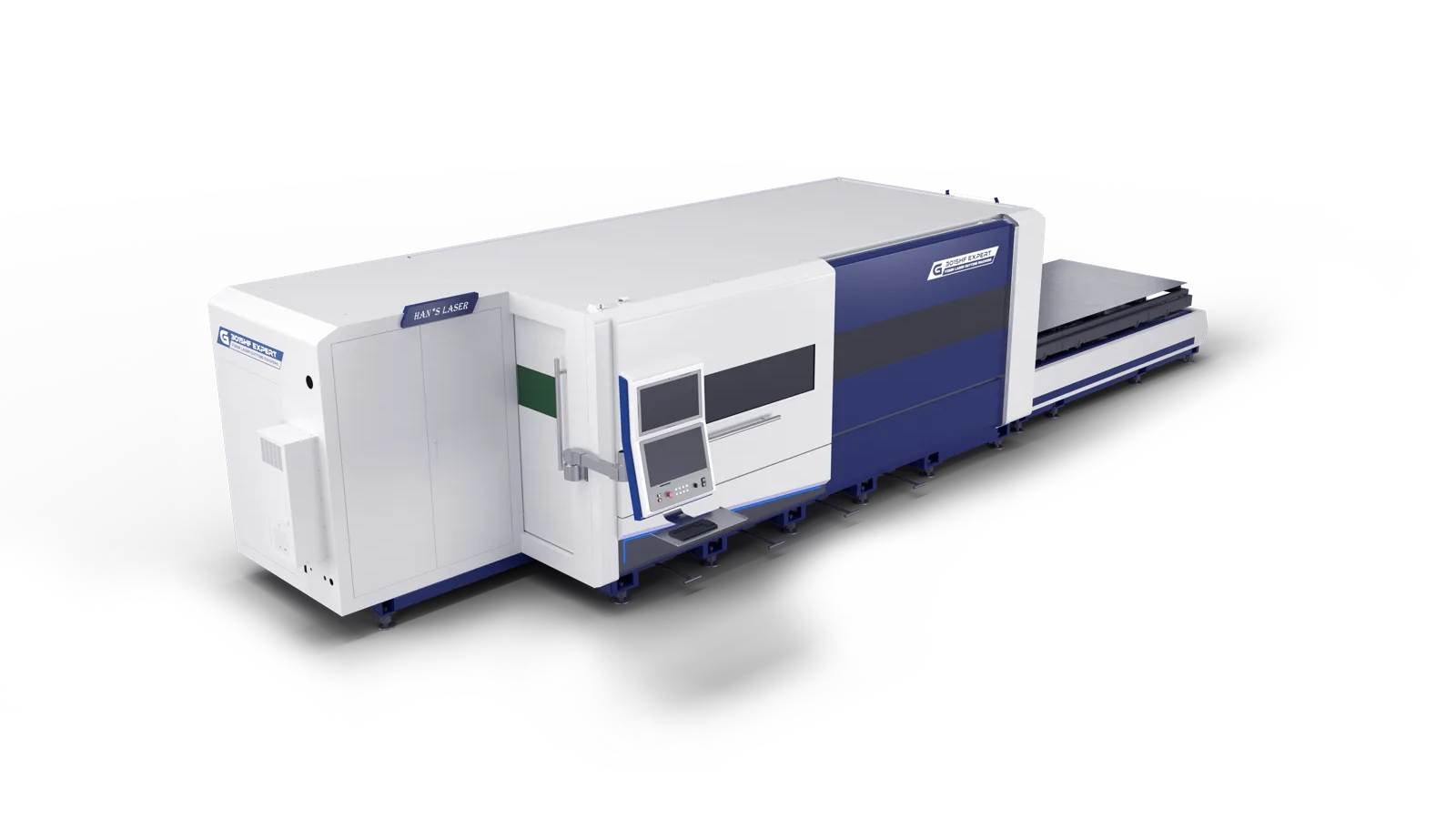
HF Expert series
Start with the G3015 when comparing 5×10 work. Ask which table arrangement is included and how much staging space the proposed configuration needs.
Explore HF Expert →For a comparable quotation, send your installation province, bay drawing, handling method, stock sizes and representative part files. Ask for the working area, installed layout and loading demonstration on the same quote revision. Request a sheet laser application review.
Frequently asked questions
Can a compact fiber laser cut a 5×10 sheet?
Some compact machines have a working area large enough for nominal 5×10 stock. Confirm the permitted stock size, usable nest margins, sheet weight and loading arrangement for the exact configuration.
What dimensions should I give Rise Tek for a layout review?
Send the usable bay length, width and overhead clearance, door openings and column locations. Show incoming stock, the lifting equipment, service access and the route taken by finished parts and scrap.
How should a job shop compare two laser demonstrations?
Use the same stock, part files, quantities and acceptance criteria. Record sheet handling, cutting, sorting and changeovers, then compare accepted output over the complete elapsed cycle.