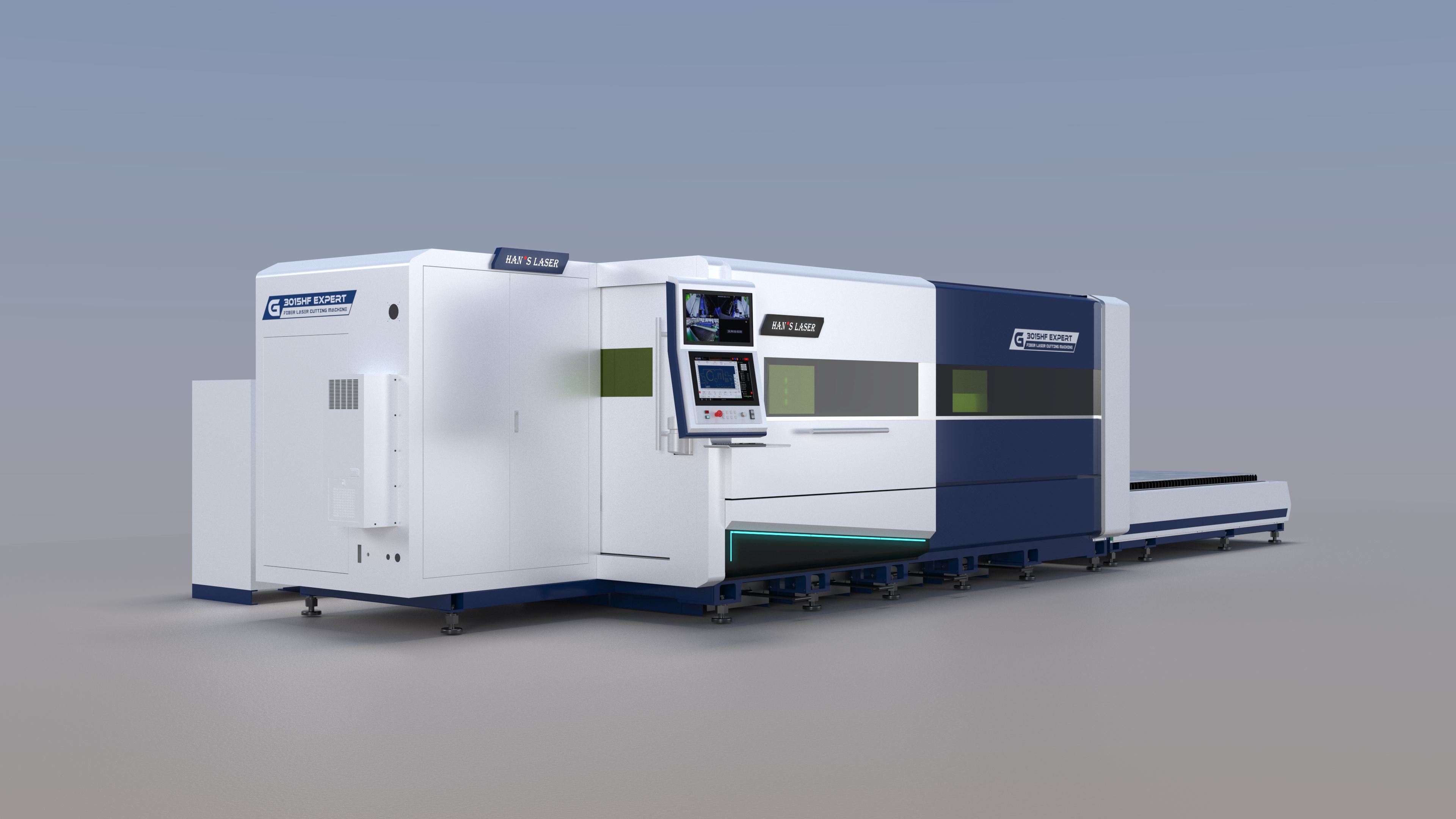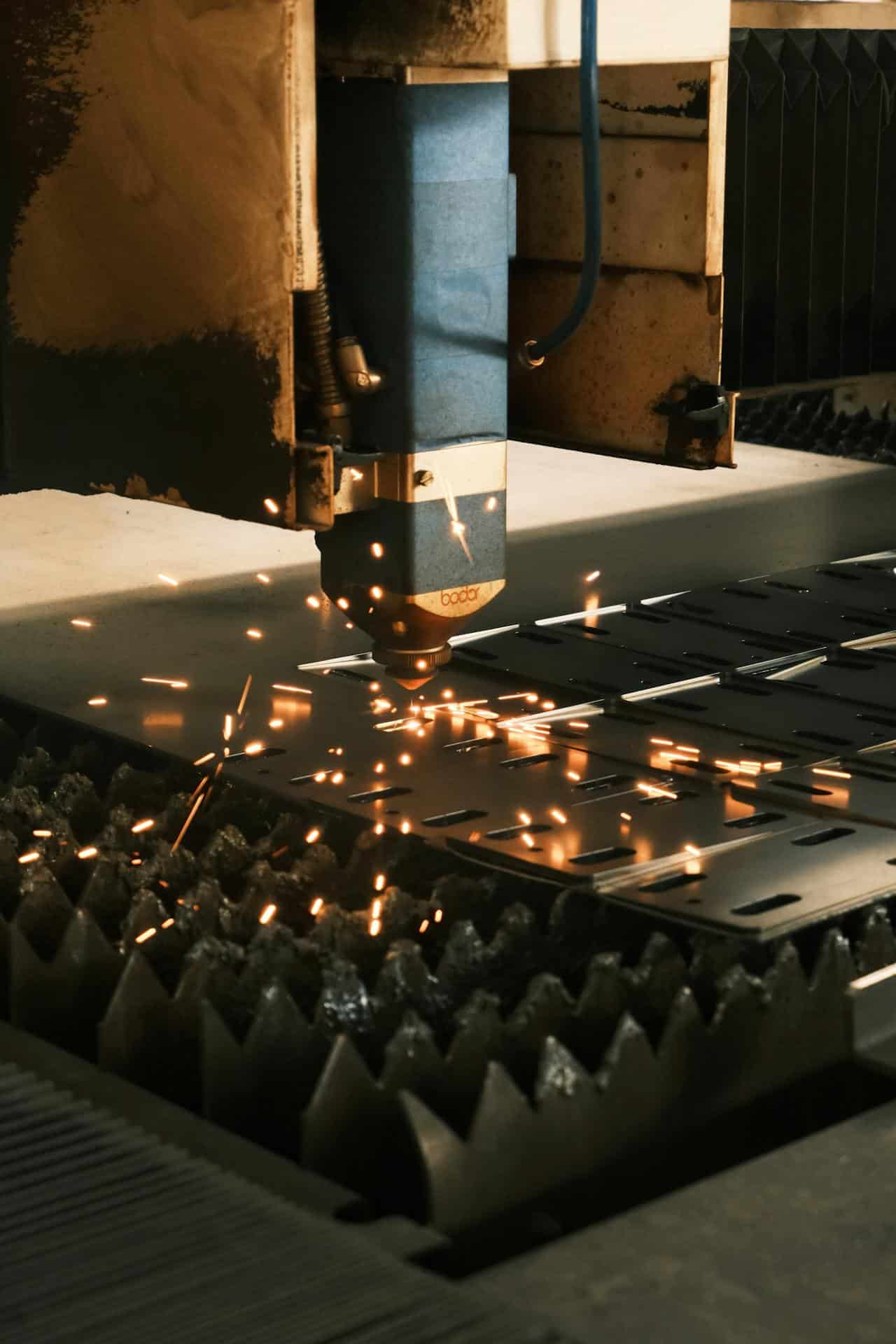
Fiber laser technology is low-maintenance by design — no mirrors to align, no laser gas to replenish, no resonator to rebuild. But low-maintenance does not mean no-maintenance. A well-maintained fiber laser runs at 98%+ uptime; a neglected one fails unexpectedly in the middle of production. This guide covers the maintenance schedule and safety practices that keep fiber laser operations running safely and profitably.
Daily Maintenance Checklist
- Check the chiller water level and coolant temperature. The chiller cools the laser source, cutting head, and servo drives. Low coolant causes thermal shutdowns.
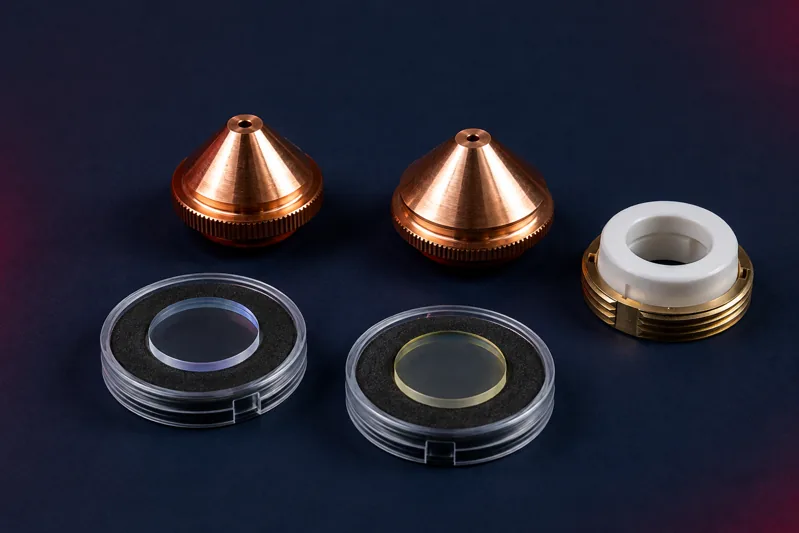
- Inspect the cutting nozzle. Worn, damaged, or contaminated nozzles cause poor cut quality and inconsistent piercing. Replace at the first sign of deformation.
- Clean the protective lens. Spatter deposits on the protective window reduce beam quality and cause lens overheating. Clean with lens tissue and IPA — never touch the lens surface with bare fingers.
- Verify assist gas pressure and supply. Confirm the gas supply is adequate before starting a long run.
- Check the fume extractor filter status. A clogged filter reduces extraction efficiency and may cause fume buildup in the enclosure.
Weekly Maintenance Tasks
- Clean the machine bed and slats — slag buildup changes the bed height and affects cut quality on thin materials
- Lubricate the linear guides and rack-and-pinion according to the manufacturer's schedule
- Inspect the laser head for contamination on the beam delivery optics
- Check all safety interlocks — door switches, emergency stops, laser enable circuit
Scheduled Maintenance (Annual / by Hours)
- Chiller coolant replacement: Every 12 months or as per coolant manufacturer spec. Degraded coolant reduces thermal performance and can cause biological growth in the circuit.
- Fume extractor filter replacement: Every 500–1000 cutting hours depending on material.
- Axis calibration check: Every 2,000 cutting hours or annually — verify positioning accuracy with a test part.
- Laser source health check: Monitor output power trends in the machine's diagnostic log. Declining power at rated drive current indicates aging of the pump diodes.
- Preventive maintenance visit: Annual Rise Tek technician visit covers all systems, firmware updates, and any wear item replacement before failure.
Neglected protective lens cleaning. A contaminated lens overheats, cracks, and can damage the cutting head — a repair that costs far more than consistent daily cleaning. Clean the lens every shift on high-duty-cycle machines.
Laser Safety: Classification and Requirements
Industrial fiber laser cutting machines are Class 4 laser products — the highest hazard classification. The enclosed cutting area and interlocked enclosure reduce the effective hazard during normal operation, but safety protocols must be followed rigorously.
Required PPE for Fiber Laser Operations
- Laser safety eyewear: Optical density (OD) rated for 1064nm wavelength — the fiber laser emission wavelength. Standard workshop safety glasses are NOT laser-safe.
- Heat-resistant gloves: When handling freshly cut parts.
- Respirator: When working around the fume extractor or inspecting filter systems.
Enclosure and Interlock Requirements
The machine enclosure must be maintained intact — no bypassing door interlocks, no removed panels during operation. If a panel must be removed for maintenance, the laser must be in a safe state (power off, key switch removed). Label all interlock override procedures with lockout/tagout (LOTO) documentation.
Fume Extraction
Metal cutting fumes contain fine particulate matter, metal oxides, and (when cutting galvanized or coated steel) zinc oxide fumes. Proper extraction is a safety and regulatory requirement in all Canadian provinces under occupational health standards.
- Dedicate a fume extractor to the laser enclosure — do not share with welding fume systems
- Size the extractor for the machine's maximum material throughput
- Monitor filter differential pressure — replace filters before they reach maximum load, not after
- Never cut PVC or chlorinated plastics with any laser — toxic chlorine gas is produced
The maintenance investment in a fiber laser is a fraction of CO₂. But it is not zero — consistent daily and weekly checks are what separate shops with 98% uptime from shops with avoidable breakdowns.
Monthly and Quarterly Checks
The schedule above jumps from weekly tasks to annual ones, and a few things belong in between. These are the checks that rarely cause a breakdown on their own but quietly degrade cut quality and accuracy until someone chases a problem that started months earlier.
- Cutting head optics beyond the protective window. The protective lens is the sacrificial layer, but if it has ever cracked or been run badly contaminated, the collimating and focusing optics behind it need inspecting too.
- Chiller circuit, not just the level. Check the strainer and any inline filter for debris, and look at flow rate rather than only temperature. Restricted flow reads as normal on a thermometer until the machine faults under load.
- Assist gas supply chain. Regulators, inline filters and hose condition. Gas purity affects cut edge quality directly, and a slow leak shows up as inconsistent piercing long before anyone hears it.
- Bellows and way covers. Split bellows let slag and dust onto the linear guides, which is how a lubrication schedule quietly stops being sufficient.
- Machine parameter backup. Export cutting parameters and machine settings. This costs nothing and is the difference between a controller failure being a day of downtime or a week of re-proving jobs.
Reading the Symptoms
Most fiber laser problems announce themselves in the cut before they announce themselves as a fault code. Working backwards from what the part looks like is faster than working forwards from the machine.
- Edge quality has degraded gradually. Protective lens first, then nozzle condition, then focus position. The lens is the cheapest to rule out and the most likely cause, so check it before investigating the source or the motion system.
- Piercing has become inconsistent. Usually assist gas — pressure, purity or a partially blocked nozzle — rather than laser power.
- Machine faults under load but runs fine idle. Points at the cooling circuit. Coolant level, flow restriction or degraded coolant losing thermal capacity.
- Dimensional accuracy has drifted. Axis calibration is due, or debris has reached the linear guides through damaged bellows.
- Declining output at rated drive current. Visible in the machine diagnostic log, and indicates ageing pump diodes in the laser source rather than anything a maintenance routine will recover.
Frequently Asked Questions
How often should a fiber laser cutting machine be serviced?
What is the most common cause of unplanned fiber laser downtime?
How do I clean a fiber laser protective window correctly?
What actually happens if fiber laser maintenance is neglected?
My fiber laser will not fire. Is that a maintenance problem?
What maintenance does the chiller need?
What PPE is required to operate a fiber laser cutting machine?
Does Rise Tek offer preventive maintenance visits?
Keep a maintenance and fault record
Use the current manual for your machine and installed components to set maintenance tasks and intervals. The schedules discussed here are general planning context. Record the applicable manual revision, assigned person and due date or operating-hour trigger; do not replace model-specific instructions with a generic calendar.
For each event, record the date, machine ID, operating hours if available, symptoms or alarm text, and the authorized work performed. Keep observations separate from suspected causes. Attach service references and photographs where useful, and identify any replaced consumable by part number rather than a description such as new lens.
Record the result of the approved post-service check and who authorized return to service. A cleared alarm alone does not establish that its cause has been resolved. Unresolved faults should remain open with an assigned follow-up owner; the log is not an instruction to bypass an interlock or perform work outside the operator's training.
Review repeated events together. Several consumable replacements may justify a service discussion, but the record does not diagnose the cause by itself. Include downtime and the job being processed when useful, without storing customer-sensitive drawings in a shared log.
Download the blank fiber-laser maintenance log. Each row records one event, not a prescribed maintenance interval. Use your machine manual and contact Rise Tek support for model-specific service questions.
Check these out
Explore these Rise Tek machines. Confirm the configuration and suitability for your application with our team.