
ARC PRO Series — Professional Angle & Profile Bending Rolls
Eight model sizes, ARC PRO 60 through 300, for application-specific profile rolling. Model numbers are identifiers, not tonnage ratings. Send your drawing to confirm capacity, tooling and the supplied configuration.
- 8
- Models
- 6.97–29.13″
- Roll Diameters
- 7.5–88 HP
- Power Range
- Support
- Configuration review
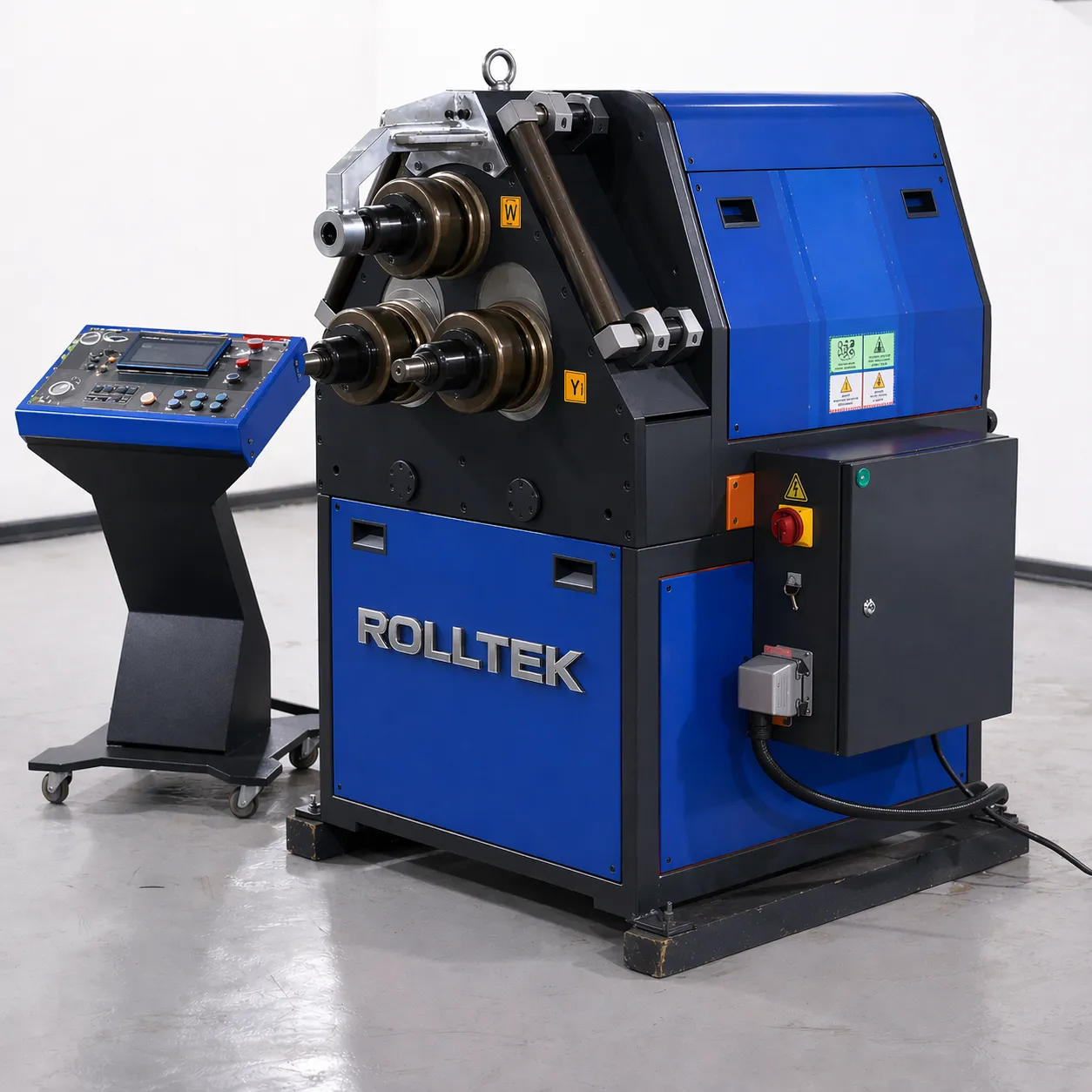
ARC PRO Angle Rolls
Compare listed machine specifications, then confirm your section, material, orientation and radius with Rise Tek.
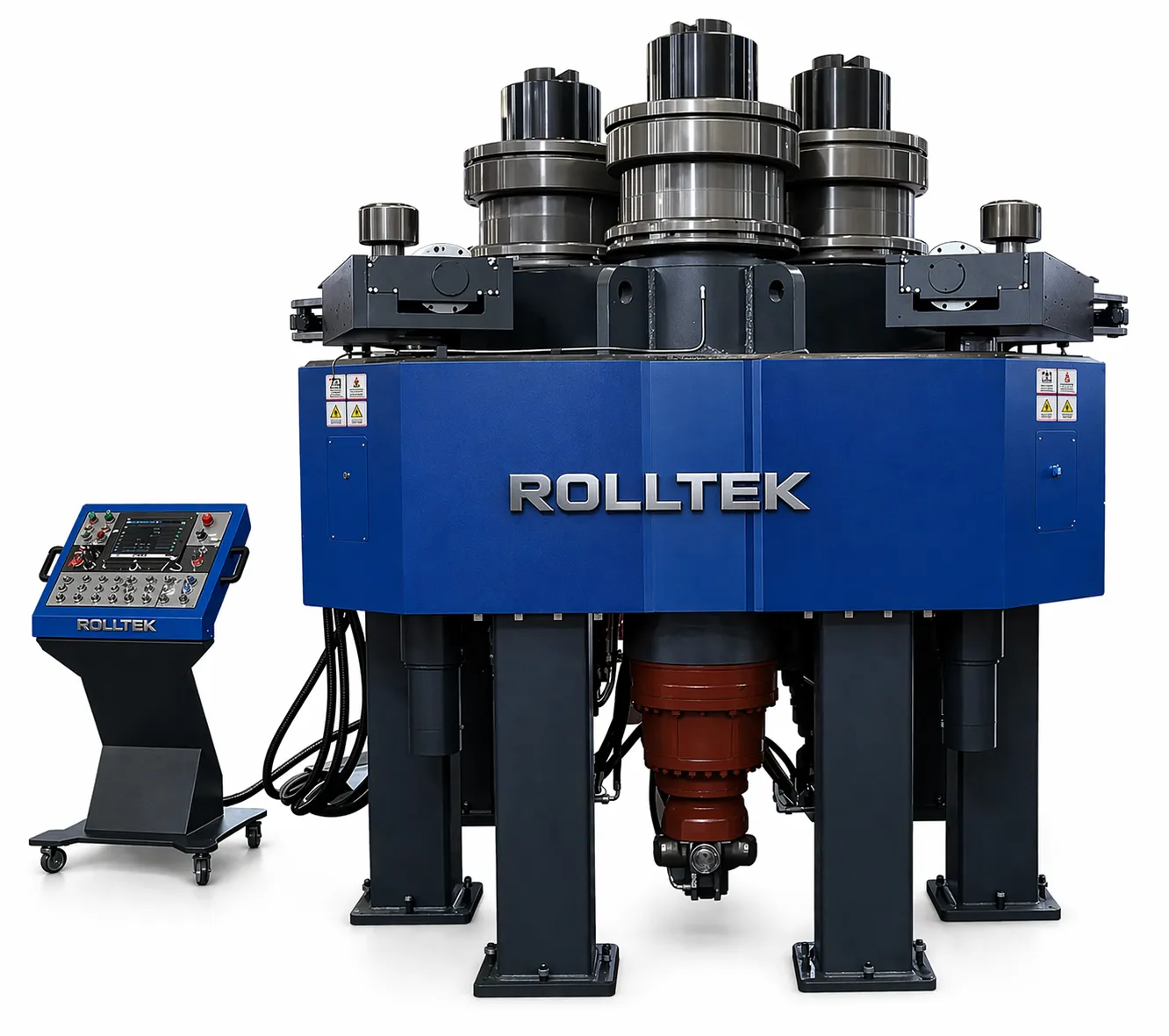
ARC PRO
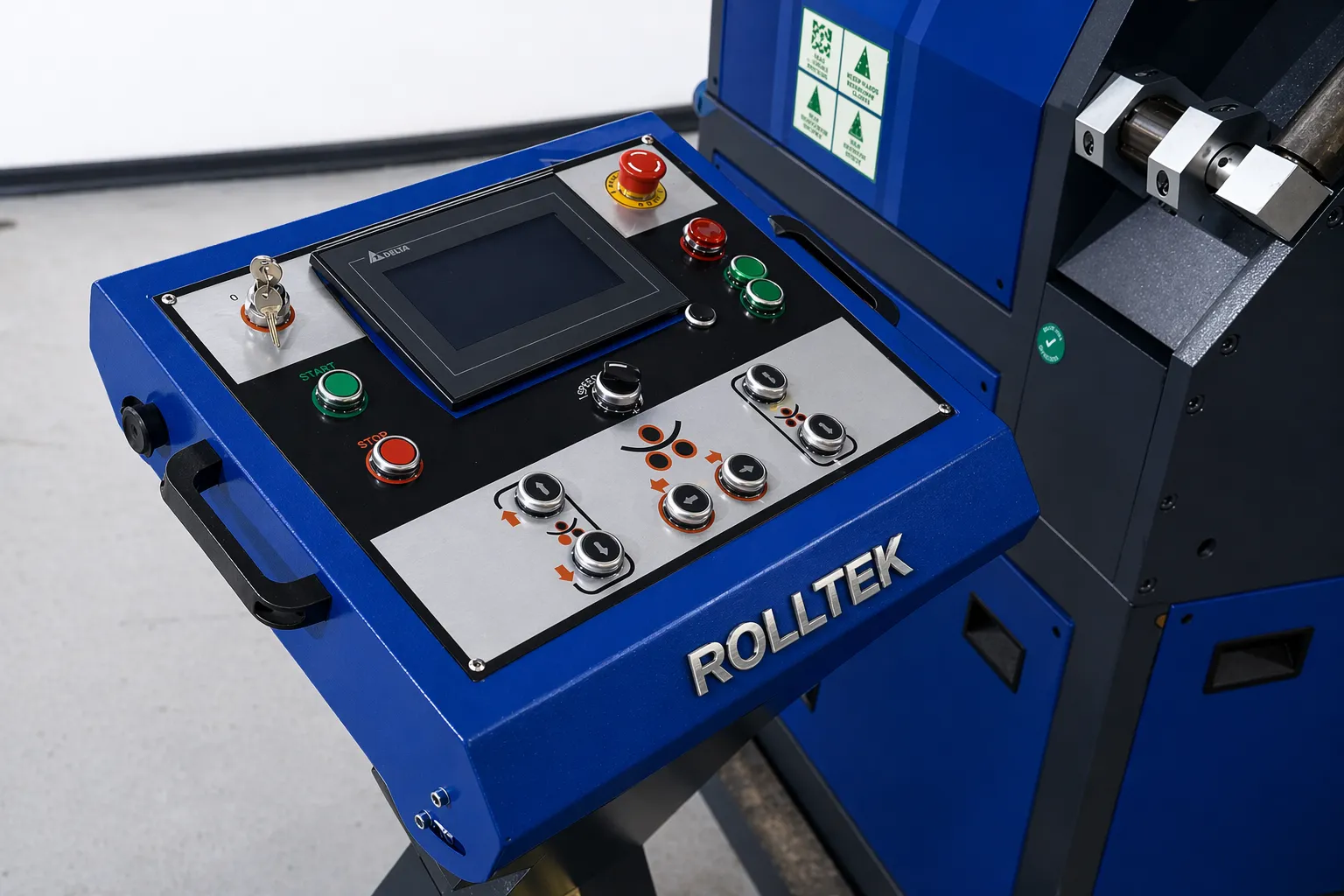
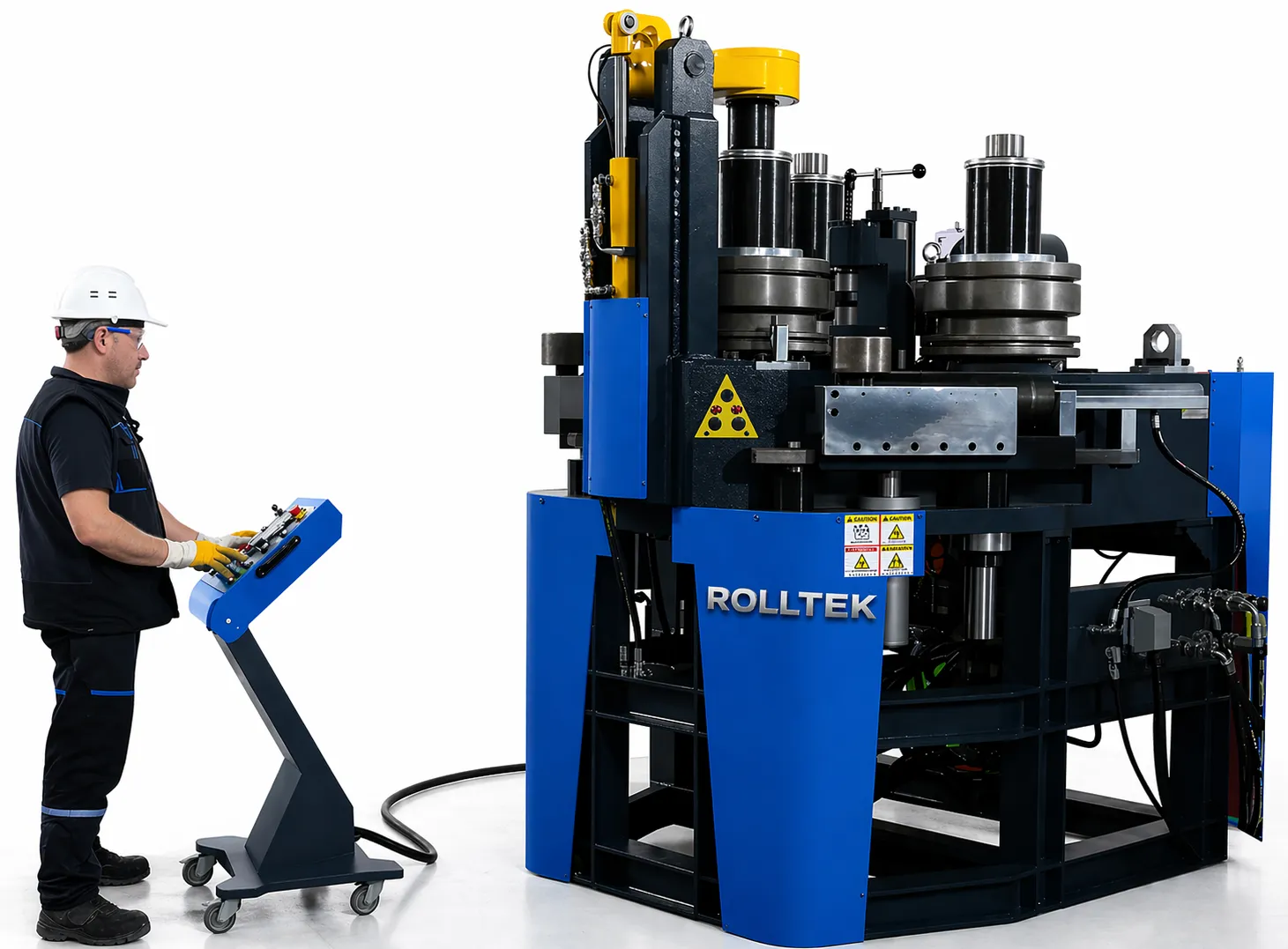
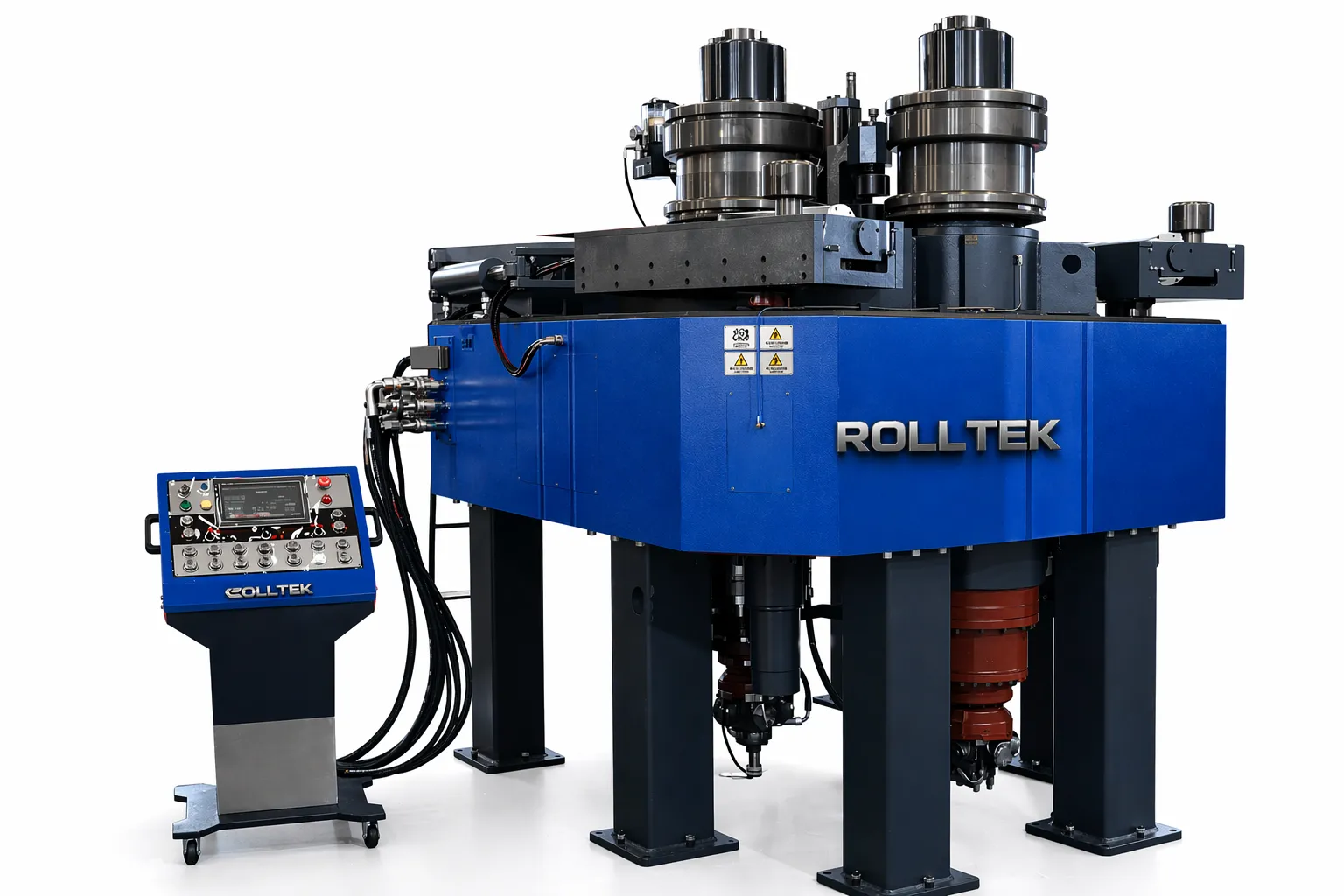
ARC PRO combines a steel frame and hydraulic drive with a choice of model sizes. Confirm the tooling, guides, supports and controls for your job in the written quotation. A profile name alone does not establish capacity or the smallest achievable radius.
| Model | Power (HP) | Roll Diameter (in) | Bending Speed (ft/min) | Shaft Diameter (in) | Weight (lbs) | Size W/L/H (in) |
|---|---|---|---|---|---|---|
| ARC PRO 300 | 88 | 29.13 | 23 | 11.81/11.02 | 60,200 | 142/136/126 |
| ARC PRO 240 | 51 | 21.46 | 26 | 9.45/8.66 | 39,700 | 105/97/103 |
| ARC PRO 180 | 31 | 18.11 | 23 | 7.1/6.3 | 22,046 | 91/104/65 |
| ARC PRO 150 | 24 | 17.32 | 33 | 5.90 | 15,432 | 87/90/95 |
| ARC PRO 120 | 20 | 15.35 | 5-16/23 | 4.72 | 8,907 | 59/75/83 |
| ARC PRO 100 | 15 | 12.4 | 5-16/23 | 3.94 | 5,511 | 55/59/69 |
| ARC PRO 80 | 10 | 9.65 | 20-33 | 3.15 | 3,715 | 47/61/63 |
| ARC PRO 60 | 7.5 | 6.97 | 20-33 | 2.37 | 2,350 | 44/55/55 |
Listed dimensions, power and speed are reference machine specifications, not a section-capacity chart. Confirm current specifications and speed configuration in the quotation. Model numbers are not tonnage ratings. No minimum radius or material conversion is implied.
Confirm the supplied equipment
- Model and current specification sheet
- Standard rolls, special tooling and guide arrangement
- Driven-roll and adjustment configuration
- Controls, supported functions and optional equipment
- Material supports, handling and removal requirements
- Electrical supply and applicable approval documentation
- Manuals, installation and training scope
Profile application review
Submit drawings for angle, channel, bar, HSS, tube, pipe, beam or special-section work. Each application requires confirmation for the selected model.
- Actual section dimensions and wall thickness
- Material grade, condition and orientation
- Inside, outside or defined centreline radius
- Arc length, straight ends and trim allowance
- Twist, distortion, ovality and finish limits
- Representative sample and inspection plan
ARC PRO by the Numbers
- 8
- Model sizes — from ARC PRO 60 to ARC PRO 300
- 88 HP
- Maximum motor power on the ARC PRO 300 flagship
- Tooling
- Confirm rolls and guides for your section
- Scope
- Confirm supplied equipment and documentation
Professional-Grade Technology
Review the configuration and trial results for your application.
Tooling and guides
Confirm whether the job uses adjustable standard rolls or special tooling. Identify the supported section sizes and orientations in the quotation.
Control functions
Confirm the supplied controls and supported movements. A saved sequence does not guarantee finished dimensions or compensate for every material variation.
Machine configuration
The series literature lists a steel frame and hydraulic drive. Confirm the driven-roll arrangement, adjustments and duty requirements for the selected model.
Capacity review
Motor power, shaft diameter and roll diameter do not establish the maximum section or minimum radius. Request application-specific capacity confirmation.
Sample acceptance
Use representative material and an agreed inspection plan to evaluate radius, straight ends, twist, distortion and surface condition.
Supply documentation
Ask for electrical requirements, applicable approval documentation, tooling and service scope for the exact machine supplied.
Applications to Review
Suitability depends on the drawing and selected configuration.
Structural and architectural profiles
Submit section drawings for curved frames, angles, channels and other proposed work. Confirm the material, orientation, radius and acceptable distortion before selecting a model. Beam capability is not established by the range name.
Tube, pipe and hollow sections
Provide actual outside dimensions and wall thickness. Review tooling contact, ovality, surface marking and straight-end requirements. Tight discrete tube bends may call for a different bending process.
Production and acceptance
Compare setup, forming passes, handling, trimming and inspection on representative parts. Machine speed alone does not establish throughput. Project-specific structural, vessel or marine requirements must be addressed in the part acceptance plan.
Prepare your quotation
Send the drawing, material, radius reference, tolerances and batch sizes. Confirm the model, tooling and support scope in writing. Read our angle-roll tooling guide and angle rolls versus press brakes comparison.
Ready for Professional Bending?
Tell us your profile type, dimensions, and production volume. We’ll recommend the right ARC PRO model for your shop.