
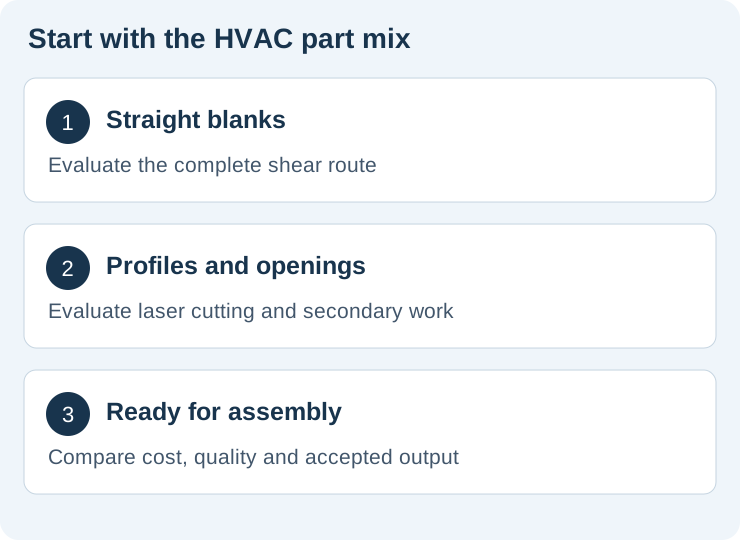
A shear-versus-fiber-laser decision for HVAC work starts with the part mix. Straight blanks and shaped fittings create different production demands. Compare complete jobs, including any notching, holes, deburring, bending and assembly work, before deciding which cutting process deserves more investment.
A shop making repeat rectangular blanks may reach a different conclusion from one producing frequent custom transitions or equipment panels. This guide helps Canadian fabricators organize that comparison. It covers flat-sheet cutting; a laser cutter does not replace all of the forming or joining equipment used in duct production.
Sort HVAC work into representative part families
Collect recent drawings and job records instead of choosing only the most complicated fitting. Separate straight blanks, parts with internal openings, shaped profiles and assemblies that need dedicated forming operations. Record material grade, coating, thickness, blank size, batch quantity and the current production route.
TRUMPF's HVAC industry overview describes varied sheet-metal components and cutting, punching and bending applications. That variety is the reason to inspect your actual workload. It does not establish that every HVAC part needs laser cutting or that one cutting machine performs downstream forming.
Keep frequently repeated work separate from one-off jobs. For each family, record order frequency and the effort spent changing programs or setups. A useful trial includes the ordinary work that fills the schedule as well as the unusual job that is difficult today.
Shear vs fiber laser: compare the full operation list
| Work type | Evaluation focus |
|---|---|
| Straight rectangular blanks | Compare loading, gauging, cutting, stacking and any further operations. |
| Profiles and internal openings | Compare a laser-cut route with the full existing cutting and secondary-operation route. |
| Frequent drawing changes | Record programming, revision control, setup and first-part approval effort. |
| Coated or appearance-sensitive sheet | Inspect edge and surface condition against your finishing and assembly requirements. |
| Parts needing seams or formed features | Identify the separate forming equipment and handling that remain necessary. |
For a shear quotation, confirm capacity for the stated material and cutting length. The shear capacity guide explains why a rating must be matched to the application. For a laser quotation, agree on a sample-cut plan for the actual sheet and geometry. A maximum-thickness claim alone does not answer the question.
Record which accessories, software and loading arrangements the demonstration uses. If an extra operation is outsourced today, include its cost and lead time; if it remains necessary after buying the machine, leave it in the proposed route too. Compare like-for-like finished blanks or assemblies.
Check what happens after cutting
Inspect dimensions, edge condition and surface marking on identified samples. Send representative blanks through the intended bending and assembly sequence. Agree which characteristics matter to the next operation rather than selecting a process based only on how quickly a flat sample is produced.
For example, a rectangular blank and a shaped transition may use different operation sequences even when made from the same sheet. That is an illustrative planning example, not a measured productivity comparison. Write down the route for each before calculating savings, and include the handling between stations.
Review capacity at the next operation. A faster cutting stage may increase the queue at bending or assembly if the remainder of the process cannot accept the output. Ask where the current bottleneck occurs and whether the proposed investment changes it. Observe actual work rather than assuming that every minute saved at cutting becomes a minute saved on delivery.
Compare batch economics and space requirements
Record programming and setup separately from repeat-part time. Include loading, sorting, unloading, scrap handling and agreed inspection work. For laser cutting, obtain the supplier's requirements for assist gas, extraction, power and maintenance for the proposed machine. For either route, review sheet storage and material movement as part of the installation layout.
Use the cost-per-finished-part guide to define a consistent comparison scope. Keep material utilization based on the actual nest or cutting plan. Avoid treating a theoretical best sheet yield as the result for every batch, especially when material availability or order mix changes.
Choose a route for each family, then decide what to buy
The outcome may be a retained shear for straight work, laser capacity for varied profiles, or continued outsourcing where demand does not support ownership. Record the assumptions behind each decision and identify samples or supplier information still needed. A blended production route can be evaluated without claiming one machine is best for every job.
Download the blank HVAC cutting-route worksheet. Compare our shears and fiber laser cutting machines, then send representative drawings and production quantities to Rise Tek for an application discussion.
Check these out
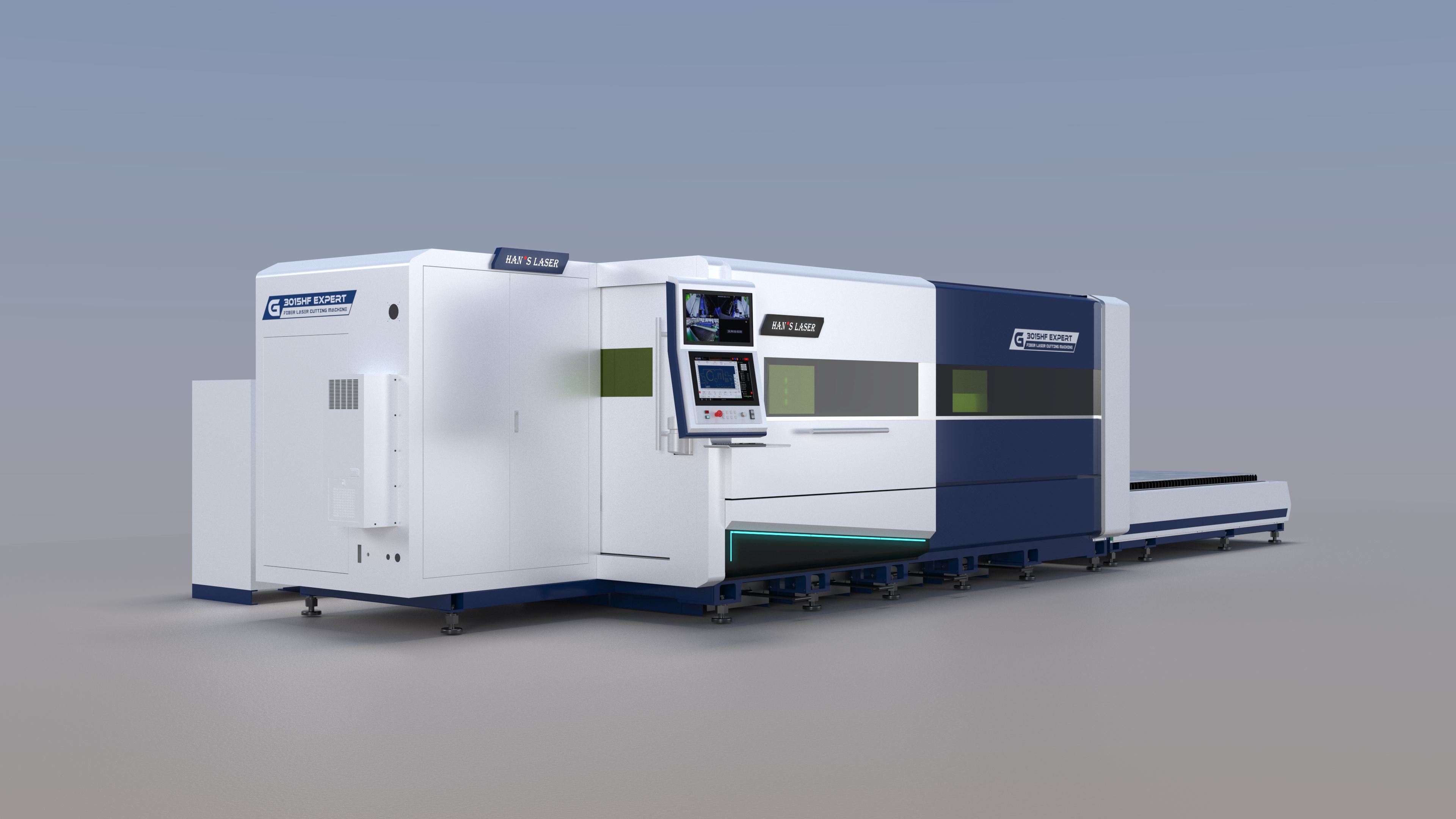
Explore these Rise Tek machines. Confirm the configuration and suitability for your application with our team.

Frequently asked questions
Is a fiber laser necessary for every HVAC shop?
No. The decision depends on the shapes, materials, quantities and secondary operations in your work. Compare representative jobs before deciding whether to retain a shear, add laser capacity or outsource profiles.
Does laser cutting replace duct forming equipment?
No. Cutting the flat blank is one operation. Seams, bends, forming and assembly still need an appropriate production route.
Can a mild-steel shear rating be used for every sheet material?
No. Confirm the rated material strength, thickness and cutting length with the supplier for the actual material and machine configuration.