
Evaluate a press brake demonstration against an agreed part drawing, not the appearance of one bend. Use representative material, inspect the completed part and record the machine configuration, setup work and handling needed to achieve the result. The acceptance limits should come from your drawing and quality requirements.
This guide helps Canadian fabrication shops prepare a supplier demonstration before choosing a CNC press brake. It builds on our drawing-based selection guide: once you have defined the work, the next step is to record evidence that the proposed configuration can do it.
Agree on the sample before the demonstration
Send the drawing revision, material grade and condition, thickness range, required finish and typical batch size. Select a routine part and a challenging part that represents a real production constraint. A convenient single-bend coupon may help explain the process, but it does not demonstrate a deep box, a return flange or a complete assembly fit.
Identify the inspection datums, measurement locations and required tolerances in advance. Agree who will inspect the parts and what equipment will be used. If a dimension or finish requirement is missing from the drawing, resolve it before judging the result. Do not substitute a supplier's general machine accuracy figure for the finished-part requirement.
Record the exact configuration being demonstrated
List the model, working length, controller, backgauge axes, punch and die arrangement, clamping and any support or angle-measurement options. Ask the supplier to identify anything used in the demonstration that is absent from the quotation. Software functions and installed options matter: Delem's DA-66T documentation, for example, distinguishes programming, machine setup and optional interfaces. It does not establish what every machine supplied with that controller includes.
Record any material substitution or tooling change alongside the results. If the trial uses a different configuration, mark the affected requirement as unverified and ask how it will be demonstrated on the proposed package.
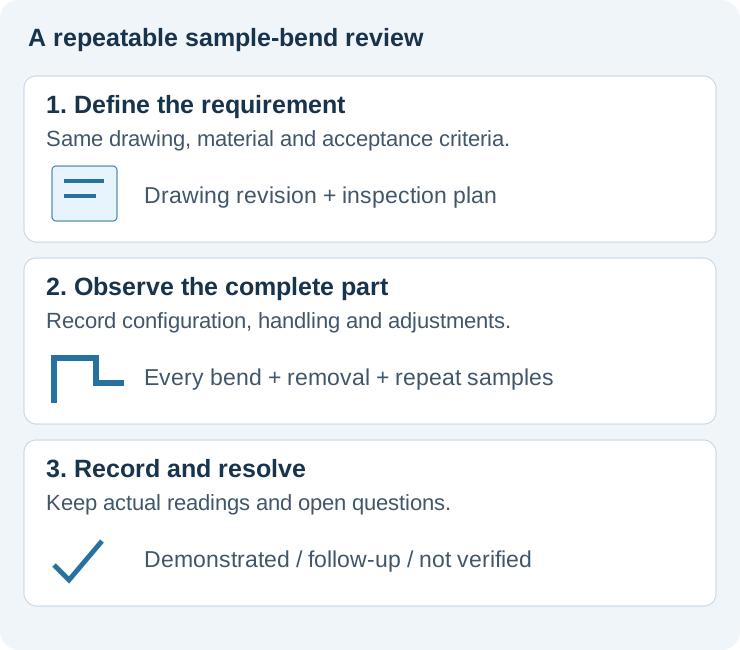
Inspect the complete part and several repeats
| Check | Record against the drawing |
|---|---|
| Bend angles | Actual readings at agreed locations, including along a long bend where specified. |
| Flange and overall dimensions | Finished dimensions from the defined datums, not just the programmed gauge value. |
| Sequence and fit | Whether all bends can be completed and the part can be removed and fitted as required. |
| Surface condition | Marking or deformation assessed against the agreed finish requirement. |
| Repeat samples | Individual results and any changes made between parts; keep the sample count visible. |
Keep each part's identification connected to its results. One acceptable part shows that one trial succeeded under those conditions; it does not establish long-run process capability. Agree on a representative sample quantity and record every inspected result rather than selecting only the best part.
Ask the supplier to run the complete sequence through its normal demonstration process. Watch where manual adjustment, regripping or additional support is needed. Bystronic's discussion of complex bending is useful context for evaluating multi-bend handling and configuration. The actual demonstration should follow the supplier's approved operating and safeguarding procedures.
Separate setup time from production time
Record programming, tool changes and first-part adjustment separately from repeat-part production. During the repeat run, include loading, handling, bending, unloading and inspection where those tasks are part of your intended workflow. Note the number of operators and any finishing needed before the part is accepted.
A short ram cycle is not the same as a finished-part cycle. A supplier demonstration is also not a guaranteed production forecast: identify assumptions that differ from your shop, such as material staging, batch size or operator experience.
Close the demonstration with a written decision
Classify each requirement as demonstrated, not demonstrated or requiring follow-up. Keep corrections and repeat trials in the record. Agree what will be checked again at delivery or commissioning, who owns outstanding questions and which changes must appear in the final quotation.
Download the blank sample-bend scorecard. Pair it with the hydraulic quotation checklist and our clearance guide. To discuss a suitable demonstration, send Rise Tek your part requirements.
Enclosure example: inspect the box as an assembly
For a cabinet or electrical enclosure, agree which datums control the door opening, mounting features and mating panels. Inspect those relationships on the completed box as well as individual bend angles and flange dimensions. A collection of acceptable individual measurements does not automatically establish that the assembly meets every requirement.
| Requirement | Evidence |
|---|---|
| Opening and mating panels | Drawing-based measurements and the agreed fit assessment using identified mating parts. |
| Hole and mounting locations | Positions from the specified datums after bending, with inspection method recorded. |
| Door or cover fit | Actual fit condition, hardware state and any adjustments made; no assumed universal gap. |
| Finish and corners | Marks, corner condition and required follow-on operations, separated from the as-bent result. |
If a door or mounting feature does not align, retain the measurements and review the drawing revision, blank geometry, bend results and assembly conditions together. Do not assume the backgauge is the cause without evidence. Mark any filing, slotting, straightening or other correction in the sample record rather than treating the corrected assembly as an unchanged machine output.
Download the enclosure review worksheet and connect it to the clearance review. These checks evaluate sample geometry and fit. They do not certify environmental protection, electrical safety or any named enclosure rating.
Check these out
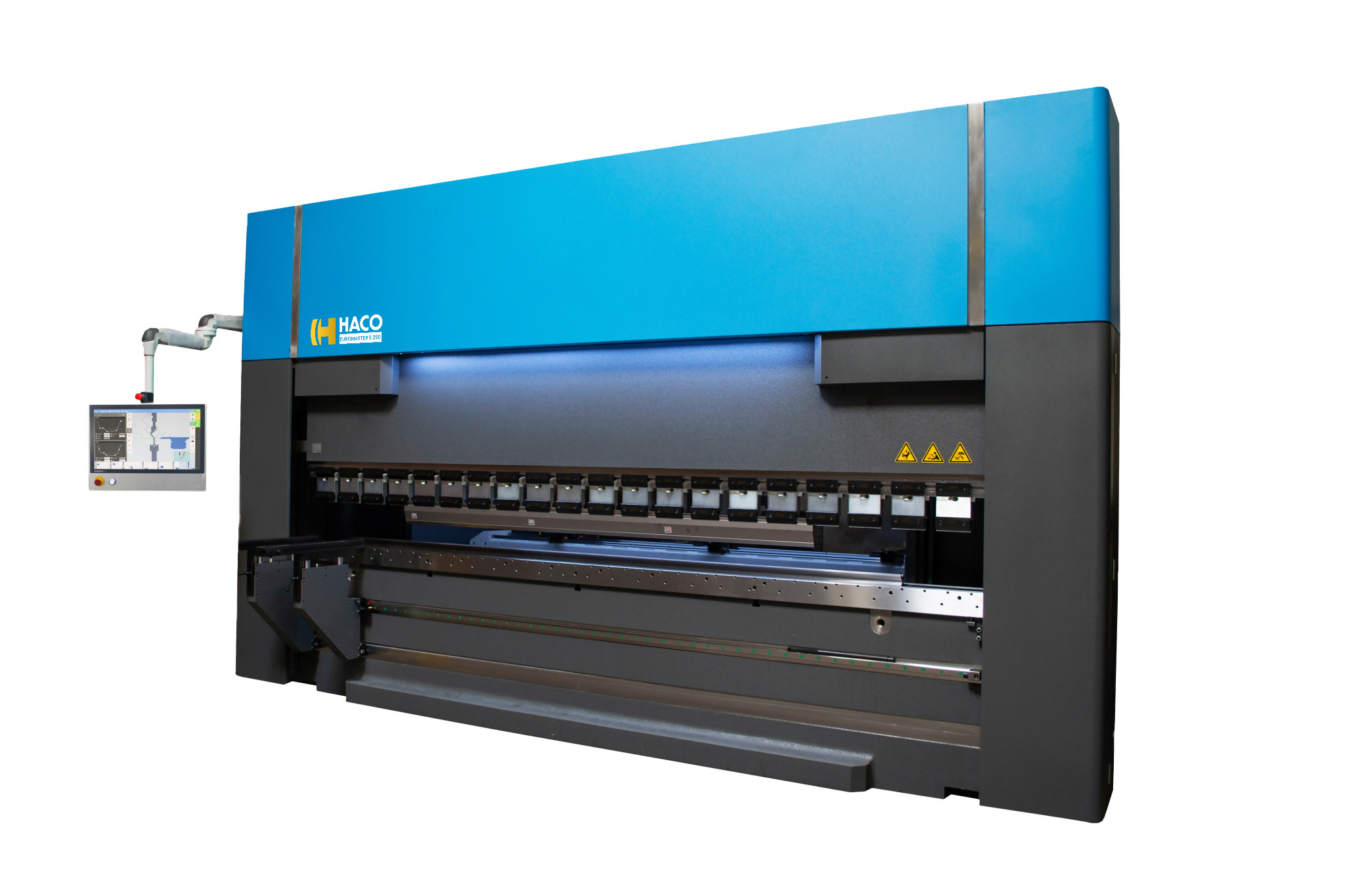
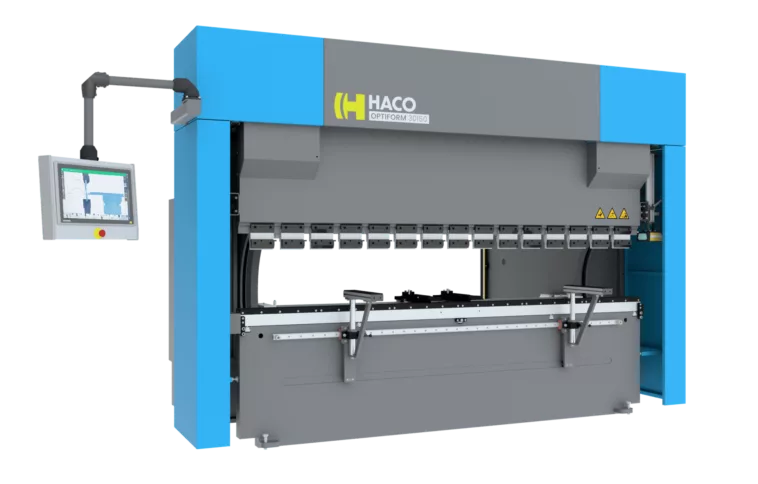
Explore these Rise Tek machines. Confirm the configuration and suitability for your application with our team.
Frequently asked questions
What tolerance should a sample bend meet?
Use the tolerances, datums and inspection method agreed for your drawing. There is no single universal acceptance tolerance for every material, part and application.
Does one good sample prove production repeatability?
No. Record several agreed repeat samples and the conditions used. A limited demonstration is not a process-capability study or a guarantee for other materials and parts.
Should setup time count when comparing machines?
Record it separately, then include it in a comparison that reflects your batch sizes. Both setup effort and repeat-part cycle time can affect production cost.