What Is a CNC Hydraulic Press Brake?
A CNC hydraulic press brake combines hydraulic ram movement with computerized control of the bend sequence and available machine axes. For buyers, the important question is whether the proposed machine and tooling can make the required parts. Compare hydraulic press brake models available through Rise Tek, then use this guide to prepare your evaluation.
The machine uses hydraulic cylinders to press metal sheets into a die, forming the desired shape. CNC control manages ram position, bending angle, back gauge position, and bending sequence — all programmed from a touchscreen interface that can store hundreds of jobs.
CNC hydraulic press brakes are found across automotive manufacturing, aerospace, construction, and heavy machinery fabrication. Wherever sheet metal needs to be bent repeatedly to precise angles, this is the tool of choice.
How a CNC Hydraulic Press Brake Works
Frame and Hydraulic System
The machine frame is a welded steel structure — typically stress-relieved after welding to eliminate distortion. Two hydraulic cylinders mounted on the side frames drive the upper beam (ram) downward onto the workpiece, which rests on the lower die. Proportional hydraulic valves controlled by the CNC provide precise ram velocity and pressure throughout the stroke.
CNC Control System
On a synchronized hydraulic press brake, Y1 and Y2 control the two sides of the ram. Crowning is a separate compensation function for deflection along the bending length. Backgauge axes and software capabilities vary by configuration. For example, Delem describes the DA-66T as a 2D programming control with bend-sequence calculation and 3D machine setup; confirm the controller, software licences and options on the actual quotation. Read our backgauge-axis guide before comparing axis counts.
Bending Process
The operator loads a flat sheet against the back gauge stops, triggers the cycle, and the ram descends to a programmed depth — which, combined with the die opening and material spring-back compensation, produces the target angle. The back gauge advances to the next position automatically, and the process repeats for each bend in the program.
Advantages of CNC Hydraulic Press Brakes
Programmed ram positioning supports repeatable work. Confirm finished bend-angle tolerances on your material; a position specification is not a guarantee of part accuracy.
Stored programs and suitable backgauge axes can reduce repeat setup work. Compare changeover and complete part-cycle time using a representative batch.
Material suitability depends on grade, thickness, bend radius, tooling and available force. Ask the supplier to evaluate the actual material and geometry.
Simulation can help identify sequence and clearance problems. Physical first-part inspection and any necessary corrections still matter.
Programming and visualization differ by controller and software package. Demonstrate the required workflow and confirm operator training scope.
Applications Across Industries
Automotive Industry
Brackets, chassis components, body reinforcements, and enclosure panels are punched and bent in high-volume runs. Tight tolerances and repeatable geometry are non-negotiable for assembly-line fit-up.
Aerospace Industry
Aircraft structural components, brackets, and skin panels require precision bending of aluminum and titanium alloys. Aerospace applications often involve strict material traceability and documentation requirements.
Construction and Architecture
Structural steel channels, angle profiles, cladding panels, and custom architectural metalwork are formed to specification. Press brakes in this sector typically handle longer bending lengths and heavier plate.
Heavy Machinery and Equipment
Machine guards, enclosures, structural frames, and agricultural equipment components. High tonnage and long bending length are the primary requirements for these applications.
Key Features to Evaluate When Buying
- Tonnage Capacity — determined by material thickness, tensile strength, and bending length. Over-speccing tonnage adds cost; under-speccing limits material range.
- Bending Length — must accommodate your longest workpiece with clearance for tooling setup.
- CNC Control System — evaluate programming ease, stored job capacity, DXF import, and back gauge control axes.
- Back Gauge Configuration — select axes around the part geometry, finger positions and planned sequence. More axes do not remove every need for part handling or repositioning.
- Safety Features — review safeguarding for the machine, tooling, tasks and applicable provincial requirements with a qualified person. A generic list of devices does not establish compliance. WorkSafeBC provides jurisdiction-specific press safeguarding requirements; follow the requirements applicable to your installation.
What should you send with a hydraulic press brake quote request?
Include representative drawings, material grades, thicknesses, longest bends, target tolerances and typical batch sizes. Identify short flanges, deep boxes or return bends that may limit access. Ask each supplier to record its proposed tooling, backgauge, controller and installation scope against the same requirements.
Download the hydraulic press brake quote comparison checklist. Use one copy per supplier, then request a machine quotation. For a step-by-step drawing review, see choosing a press brake from part drawings.
Technical references
- Delem DA-66T programming and configuration features
- HACO press brake brochure: synchronization, crowning and backgauge configurations
- Dener servo-electric drive brochure
- WorkSafeBC Part 12: machinery and press safeguarding in British Columbia
Why Choose Dener CNC Hydraulic Press Brakes?
Dener press brakes offer advanced CNC controls, high-speed hydraulic systems with low energy consumption, and customizable tooling configurations to match specific production requirements. Rise Tek Machinery is Canada's authorized Dener distributor — providing installation, operator training, and service support from our Mississauga facility.
CNC hydraulic press brakes have transformed metal fabrication by delivering precision, efficiency, and versatility that manual and older NC machines cannot match. For Canadian shops evaluating a first press brake or an upgrade, Rise Tek's team can help specify the right tonnage and configuration for your application.
Equipment Contact
For equipment enquiries, contact Kartar Chalotra, sales and operations at Rise Tek Machinery.
CNC Hydraulic Press Brake FAQ
What is the difference between a CNC press brake and a CNC hydraulic press brake?
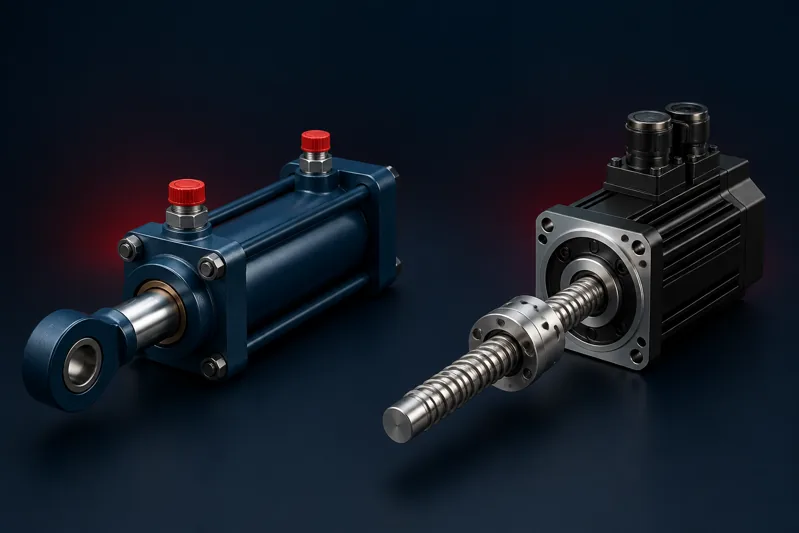
A CNC hydraulic press brake uses hydraulic cylinders to move the ram, with CNC control of the programmed bending sequence and available machine axes. Servo-electric alternatives use electromechanical drives such as belts or ball screws, depending on the design.
What tonnage of CNC hydraulic press brake do I need?
Required force depends on material strength, thickness, bend length, die opening and bending method. The calculator provides an air-bending estimate, not approval of a machine or tool setup. Confirm machine and tooling load limits with the supplier for the intended parts.
Should I buy a hydraulic or a servo-electric CNC press brake?
Compare the machines against your required force, working length, part geometry and production mix. Hydraulic and servo-electric configurations have different drive and maintenance arrangements; purchase price, energy use and cycle time should be compared for the same work rather than assumed from the drive label.
How much does a CNC hydraulic press brake cost in Canada?
Price depends on force, working length, controller, backgauge, tooling and the supply scope. Request a configuration-specific quotation and compare the installed package rather than a headline machine price.
What should a Canadian machine quotation include?
Ask for a written quotation that identifies the machine configuration and which tooling, delivery, installation, training and service items are included. Confirm site requirements, responsibilities and exclusions before comparing offers.
Back to all articles