How does a handheld laser welder work?
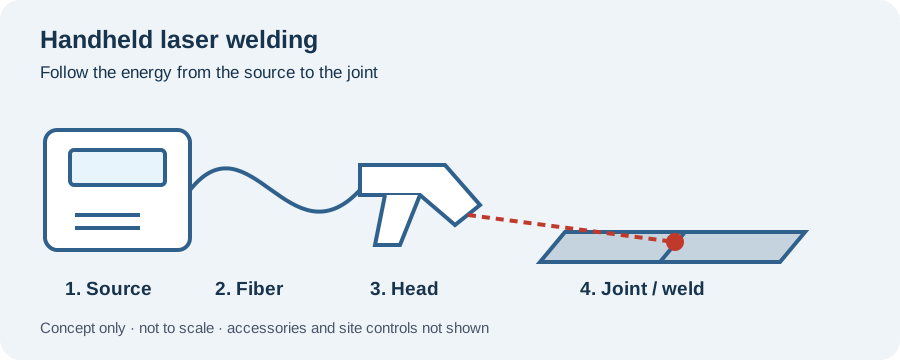
A handheld fiber laser welder uses a focused laser beam to heat and join metal at a joint. The operator guides a handheld welding head; the required filler, shielding gas and process settings depend on the equipment and application.
The laser source supplies the energy, a delivery fiber carries it to the welding head, and optics focus it at the joint. The local molten metal forms a weld as it solidifies. Wobble moves the beam across the weld path; it is a process feature to evaluate on your parts, not a guarantee of gap tolerance or finish.
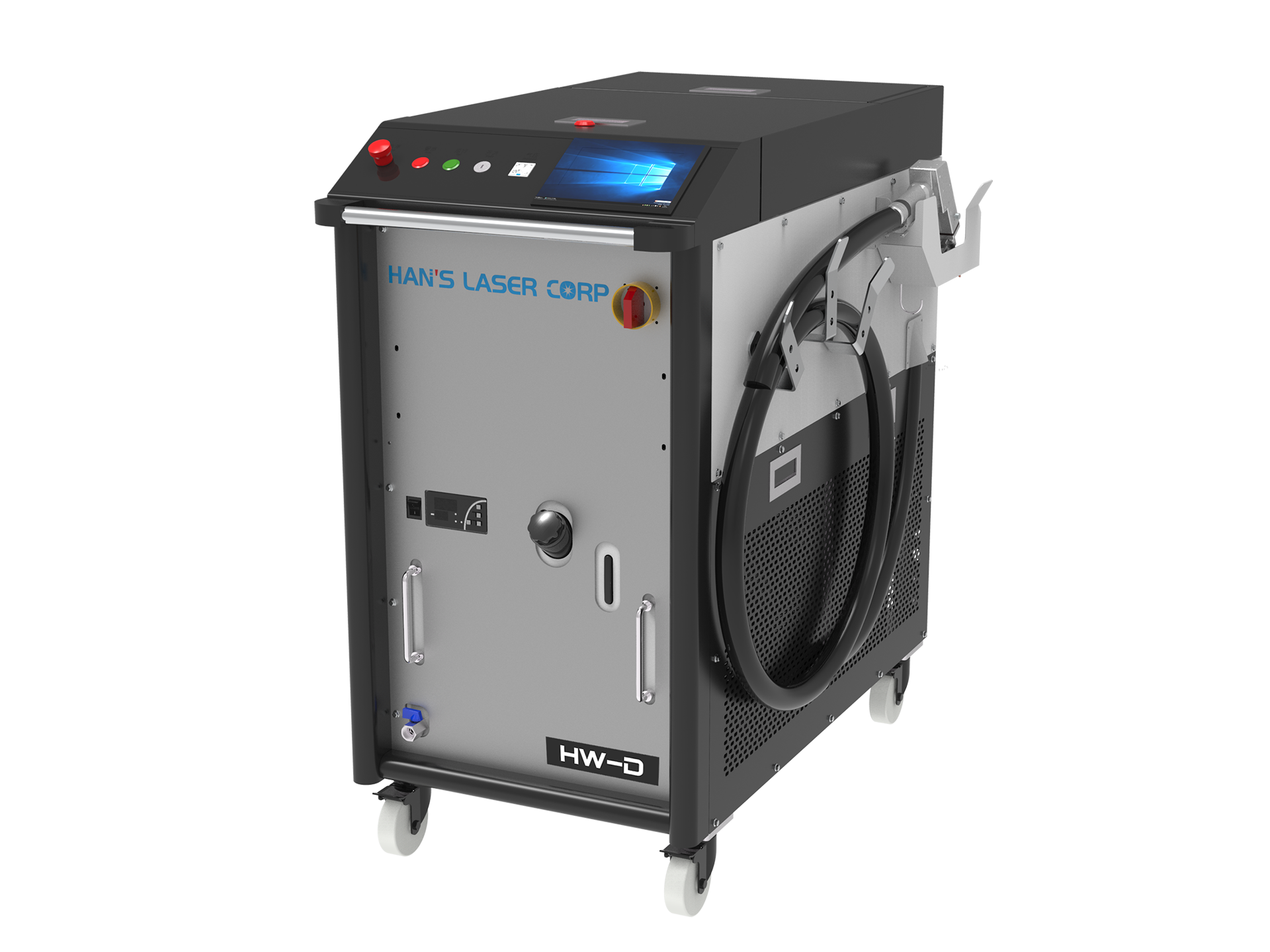
The manufacturer's HW-D overview describes laser beam welding and its handheld system. Confirm the exact Rise Tek configuration in your quotation; a manufacturer's general application list does not establish acceptance of your part.
Before buying a handheld laser welder in Canada
- Define the part: send material grade, coating, thickness, joint drawings, access constraints and batch sizes.
- Define acceptance: agree the required appearance, dimensions and inspection with the responsible welding professional before sample trials.
- Review the complete job: compare preparation, welding, finishing, inspection and rework against your current process.
- Confirm the installed scope: review utilities, work area, extraction, laser-safety assessment, training and service responsibilities with the supplier and qualified people.
Handheld describes how the head is guided; it does not mean an unrestricted workspace or an untrained operator is appropriate. Use the machine documentation and site-specific assessment for operating requirements.
Compare laser welder prices and quotation scope in Canada, including CAD pricing, delivery, optional equipment and customer-supplied work. Download the checklist to compare offers on the same basis.