What are the safe hand placement zones on a CNC press brake?
Safe hand placement on a press brake: hands must never be within the closing zone between punch and die when the ram is in motion. Operators should hold the workpiece from the sides — never underneath the ram path. Point-of-operation guards (light curtains, laser area scanners, or physical guards) must be in place and functional before operating. Never bypass or tape over light curtain sensors — this disables the primary point-of-operation safeguard.
Can anyone operate a fiber laser cutting machine or press brake, or is training required?
Both fiber laser cutting machines and CNC press brakes require formal operator training before independent operation. Rise Tek provides certified operator training as part of every machine installation — covering machine controls, safety systems, interlock testing, basic maintenance, and emergency procedures. Canadian OHS regulations require employers to ensure workers are competent before operating hazardous equipment. Document all operator training with signed records and maintain these for each machine.
Laser safety classifications, PPE requirements, fume extraction, press brake safe operation, lockout/tagout procedures, and Canadian OHS compliance for metal fabrication shops.
Class 4
Laser Hazard Class
CSA Z142
Press Brake Standard
Free
Always
⚠️
Note: These guides are educational resources. Always follow your machine manufacturer's safety manual, applicable Canadian OHS regulations, and consult a qualified health and safety professional for your specific workplace. Rise Tek is not liable for safety decisions made based solely on this content.
Safety Articles
Machine Safety Guides
Laser safety, press brake safety, fume extraction, and Canadian OHS compliance for fabrication shops.
Laser safety classifications (Class 1 vs Class 4), OD eyewear requirements, fume extraction specs, interlock testing, and safe operating procedures for Canadian shops.
Safe hand placement zones, point-of-operation guarding requirements, lockout/tagout procedures for tooling changes, and CSA Z142 compliance for Canadian shops.
Standard vs. optional safety systems, what comes included, and the questions to ask your dealer before purchasing a machine.
💨🛡️ Safety Guide
🛡️ Safety
Laser Fume Extraction: HEPA vs Carbon Filters
What each filter type actually captures, which materials need which, why extraction is not sized from laser wattage, and how to decide when filters need changing.
Machine Safety Concerns?
Rise Tek can assist with laser safety system checks, interlock verification, and safety-related machine issues. Submit a service request describing the specific concern.
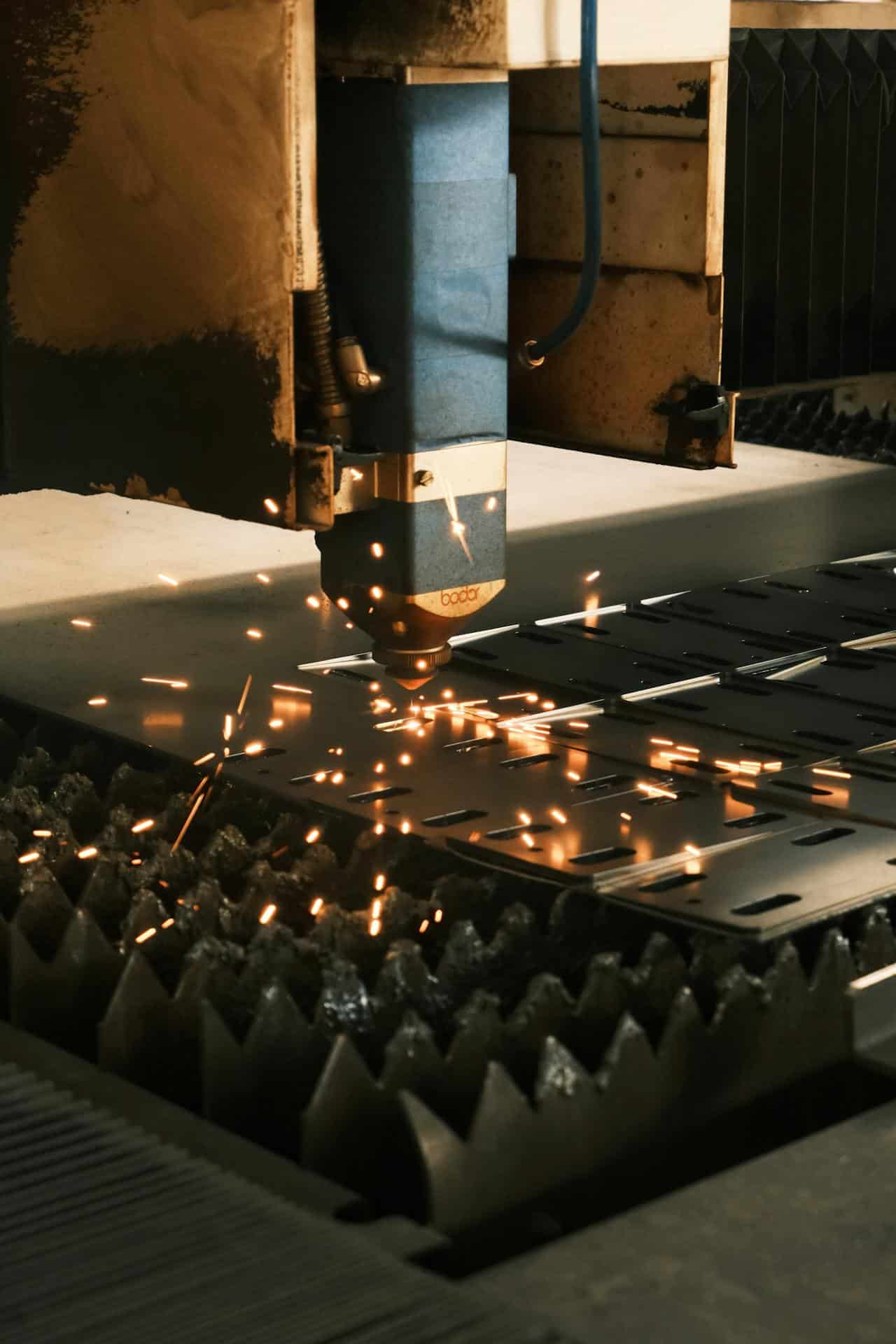
Industrial fiber laser cutting machines are classified as Class 4 lasers — the highest hazard classification. However, when operated inside their fully enclosed safety enclosure with all interlocks engaged, the machine becomes a Class 1 laser product (safe-by-enclosure). Never defeat interlock switches or open enclosure panels while the laser is active — the cutting head emits Class 4 radiation that can cause permanent eye damage or skin burns in milliseconds.
For enclosed fiber laser machines with all interlocks engaged: standard safety glasses are acceptable. For laser welding with a handheld head or any open-beam work: laser safety glasses rated OD 5+ at 1060–1080nm wavelength (the fiber laser emission band) are mandatory. Post OD wavelength specifications on all laser eyewear — wrong wavelength protection offers zero protection. Never share eyewear between laser welding and other tasks without verifying OD rating.
Yes. Fiber laser cutting produces metallic fumes, particulates, and volatile organic compounds (from coated, painted, or galvanized metals) that are hazardous under Canadian occupational health regulations. A particulate filter (HEPA or better) handles the metal fume; activated carbon targets the gases released when cutting painted, coated or oily stock, so it is specified by material rather than needed on every job. Cutting galvanized steel produces zinc oxide fumes which cause metal fume fever — dedicated high-capacity fume extraction is non-negotiable for galvanized work.
CNC press brakes in Canadian workplaces must comply with CSA Z142 (Code for Power Press Operation) and provincial OHS regulations. Key requirements: guarding the point of operation, operator training and certification, lockout/tagout procedures for maintenance, and documented safe work procedures. Each province (Ontario OHSA, Alberta OHS Act, BC WorkSafeBC) has specific press operation rules — consult your provincial authority.
Hands must never be within the closing zone between punch and die when the ram is in motion. Operators should hold the workpiece from the sides — never underneath the ram path. Point-of-operation guards (light curtains, laser area scanners, or physical guards) must be in place and functional before operating. Never bypass or tape over light curtain sensors — this disables the primary point-of-operation safeguard.
LOTO is the procedure for de-energizing a machine before maintenance, tooling changes, or clearing jams. Required steps: (1) notify affected personnel; (2) shut down the machine normally; (3) isolate all energy sources (electrical, hydraulic, pneumatic); (4) apply personal lockout padlocks at each isolation point; (5) verify zero-energy state by attempting to start; (6) perform maintenance. Never work on an energized press brake or fiber laser without LOTO — this is the most common cause of serious fabrication shop injuries.
Yes. Both machines require formal operator training before independent operation. Rise Tek provides certified operator training as part of every machine installation — covering machine controls, safety systems, interlock testing, basic maintenance, and emergency procedures. Canadian OHS regulations require employers to ensure workers are competent before operating hazardous equipment. Document all training with signed records.
Fire prevention for laser cutting: (1) never cut near flammable materials or in combustible dust atmospheres; (2) keep the laser bed clean — accumulated slag, oil, and debris can ignite; (3) do not leave the machine unattended during coated or painted material cutting; (4) install a dry powder fire extinguisher within 10 metres of the machine; (5) ensure machine enclosure ventilation is operating during cutting. Empty scrap collection bins daily when cutting oily or coated materials.
Education Center
Other Training Topics
Browse all categories in the Rise Tek Education Center
 🛡️ Full Guide