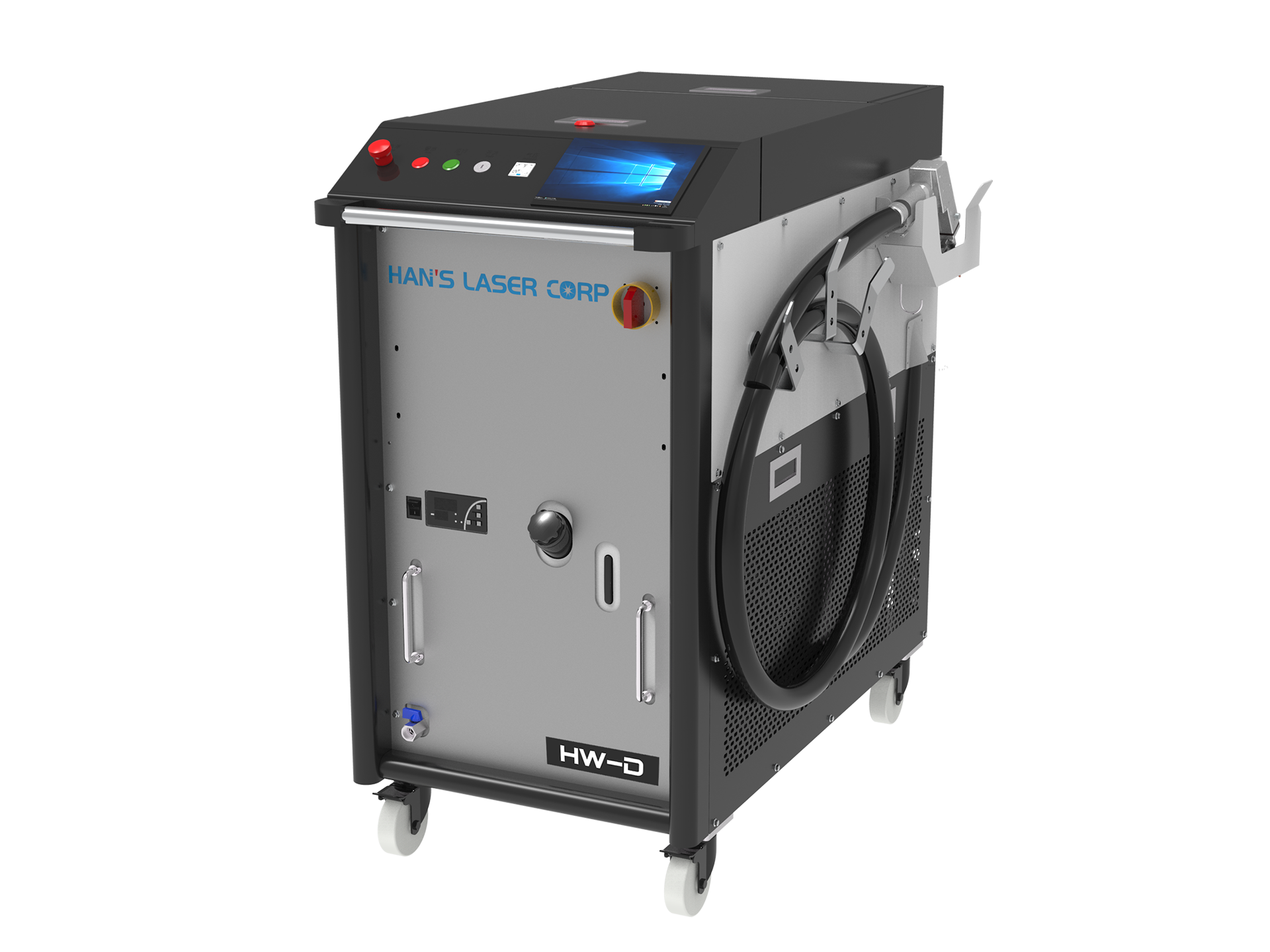
MIG welding built most fabrication shops, and it isn't going anywhere. But if a growing share of your work is thin sheet metal — enclosures, brackets, cosmetic assemblies — there's a real question worth asking: is it time to add a fiber laser welder alongside your MIG equipment? Here's an honest look at where each one wins.
Where Fiber Laser Wins
On thin sheet metal under 4mm, fiber laser welding is 3–5× faster than MIG, with significantly less heat distortion and minimal post-weld grinding on stainless steel. That speed and distortion advantage compounds per part — on high-volume runs of thin-gauge enclosures or brackets, it adds up to a meaningfully shorter production cycle and less rework at the finishing stage.
Where MIG Still Wins
MIG remains the better choice for thick plate over 8mm, structural welding, and any joint where gap tolerance can't be tightly controlled. Fiber laser welding needs a well-fitted joint — tight fit-up under roughly 0.3mm for autogenous (no-filler) welds — to perform at its best. MIG is far more forgiving of gap variation, out-of-position work, and the kind of fit-up you get on structural steel rather than precision sheet metal.
| Factor | Fiber Laser | MIG |
|---|---|---|
| Thin sheet (<4mm) | 3–5× faster, minimal distortion | Slower, more heat input |
| Thick plate (>8mm) | Not well suited | Better suited |
| Joint fit-up tolerance | Tight fit-up required | Forgiving of gap variation |
| Post-weld finishing | Minimal grinding on stainless | More grinding typically needed |
| Out-of-position work | Limited | Well suited |
Fiber laser welding is not a replacement for MIG — it excels in sheet metal fabrication, enclosures, and cosmetic welds, while MIG remains better suited to thick plate and structural work. Most shops that add a fiber laser welder keep their MIG equipment for the jobs it still handles best.
The Signal That It's Time to Upgrade
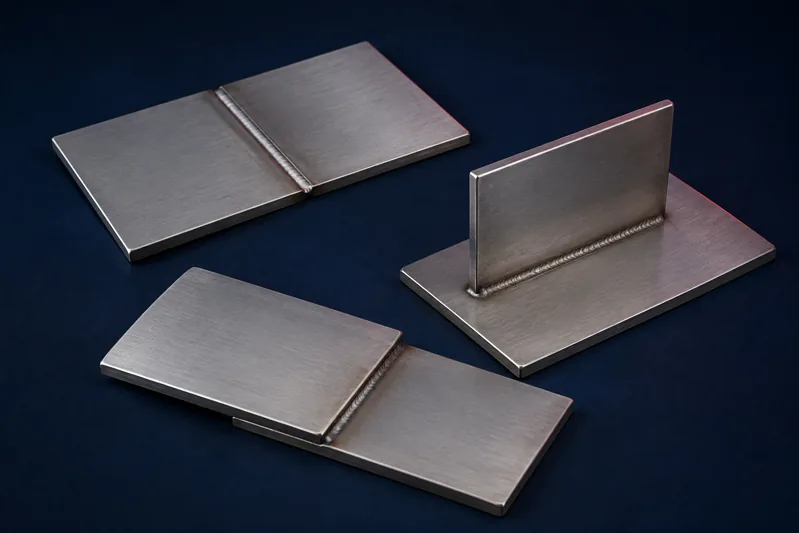
There's no single volume number that triggers an upgrade — it depends on your part mix. Shops running high volumes of thin-sheet stainless or aluminum parts — enclosures, brackets, cosmetic assemblies — see the fastest payback, since the speed and reduced-grinding advantage compounds on every part. Shops running mostly thick structural steel will see little benefit from switching, no matter how attractive the speed numbers look on paper.
A useful gut-check: pull your last quarter's job list and estimate what share of parts were under 4mm and destined for a cosmetic or enclosure application. If that's a small slice of your work, MIG is probably still your right answer. If it's a growing share, the math starts favoring a fiber laser welder.
🔍Rise Tek sells 3-in-1 fiber laser welders — cutting, welding, and cleaning in one unit — for shops adding laser welding capability alongside existing MIG equipment.