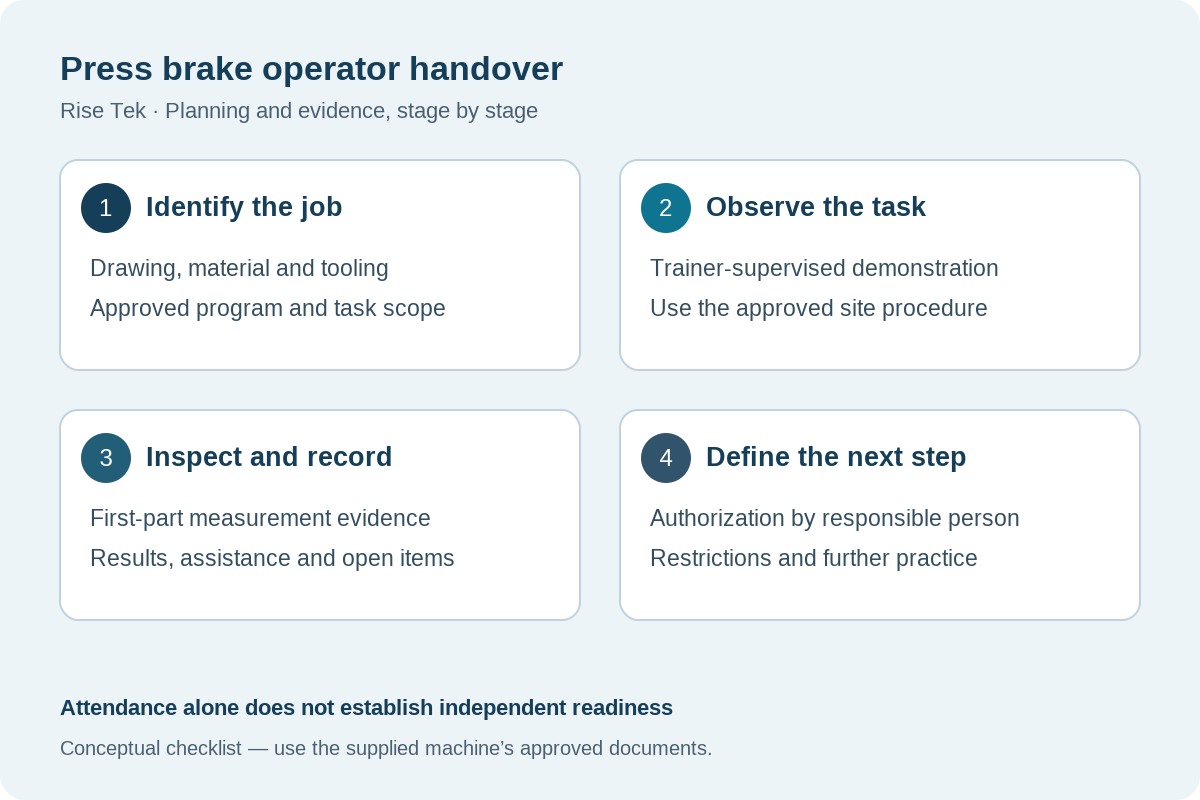
A useful press-brake operator handover records what the operator can demonstrate on the supplied machine, what remains restricted and who authorizes the next stage of work. Use the machine manual, site procedures and agreed training scope. A signed attendance sheet or this checklist alone does not establish competence or certification.
Record the machine, person and training scope
Identify the machine model and serial number, control/software revision where relevant, installed options and approved tooling. Record the operator, trainer/evaluator, date, language and manual/procedure revisions. Define which tasks are being assessed: production operation, program recall, setup, tooling change, inspection or another specifically authorized role.
These roles need not have the same permissions. Do not turn a production-operator handover into permission to modify safety settings, service parameters or electrical/hydraulic systems. Record the authorized scope explicitly and escalate tasks outside it.
Start only after the agreed commissioning prerequisites are met
Confirm which commissioning items are complete and whether any unresolved item prevents training or operation. Have the responsible person explain the approved work area, material handling arrangement, guarding and stop/report procedure. Follow the manufacturer and site requirements for instruction, observation and any practical demonstration.
Hazardous-energy control must follow the equipment-specific procedure and assigned responsibilities. The operator should know when to stop and call authorized personnel; an emergency stop is not proof of isolation. CCOHS lockout/tagout guidance explains the distinction. This guide does not give instructions for testing safeguards or isolating the machine.
What should the operator demonstrate?
Use representative work chosen by the responsible trainer and permitted by the machine’s approved procedure. Observe performance rather than relying only on a verbal “yes.” Record the evidence and any limits for each item below.
| Area | Evidence of understanding or demonstration | Record or follow-up |
|---|---|---|
| Job identification | Matches the drawing revision, material and required part orientation to the planned job | Drawing, material and job reference |
| Tooling and configuration | Identifies the approved tooling and setup information for the job; knows who may change it | Tool identifiers and authorized role |
| Program selection | Finds the approved program/revision and explains how a mismatch is escalated | Program reference; no unapproved edits |
| Work-area and handling plan | Explains the approved handling arrangement, assistance needs and restricted areas | Applicable procedure and limits |
| Representative part | Performs the authorized task under the agreed supervised procedure | Observed task, evaluator and result |
| First-part inspection | Identifies the specified measurement features and records results using the approved method | Measurement record and acceptance decision |
| Abnormal condition | Explains the stop/report path for an unexpected condition or quality failure | Service/supervisor contact and hold action |
| End-of-job record | Follows the approved shutdown/housekeeping scope and records unresolved issues | Job closeout and follow-up items |
Use a sample part that represents the work
For example, a shop planning repeated cabinet brackets might choose a drawing with more than one flange and a defined orientation. The evaluator can check drawing/program matching, the authorized handling sequence, measurement of the specified features and the response to a nonconforming first part. This is an example assessment structure, not a bending sequence or a universal test part.
Agree the acceptance criteria before the demonstration. A part that looks correct is not a substitute for the dimensions and angles required by the drawing. Use the sample-bend evaluation worksheet and keep the measurement record with the handover. When a geometry or tooling question arises, consult the backgauge selection guide and tooling guide with the supplier.
Record open items and authorization separately
Use clear statuses such as not covered, demonstrated with assistance, demonstrated for the agreed task, or follow-up required. A status should describe observed evidence, not award a general operator qualification. Identify who can release the task for independent work under the employer’s process.
- Unresolved safety or installation item: hold the affected activity until the responsible party resolves and releases it.
- More supervised practice needed: name the task, trainer and next assessment date.
- New tooling, program, material or part family: review whether further instruction or validation is needed before extending the authorized scope.
- Service escalation: record the machine identity, job context and observed issue; do not make unapproved parameter changes to complete the checklist.
Download the operator handover record
Download the blank operator handover worksheet →
Keep the completed record with the training documentation and first-part results. It does not replace the site’s authorization process, required records or manufacturer training. For delivery preparation, use the Canadian press-brake delivery and commissioning checklist.
Agree training scope when requesting the machine
Tell Rise Tek which machine and controls you are considering, the operator experience, shifts, language needs and representative parts. Ask the quotation to identify training duration and content, delivery method, prerequisites, travel or additional-visit costs and the handover documents. Confirm availability and scope rather than assuming unlimited training or a certification course.
Check these out
Shortlist the machine using your drawings, then agree delivery, commissioning and training scope in writing.
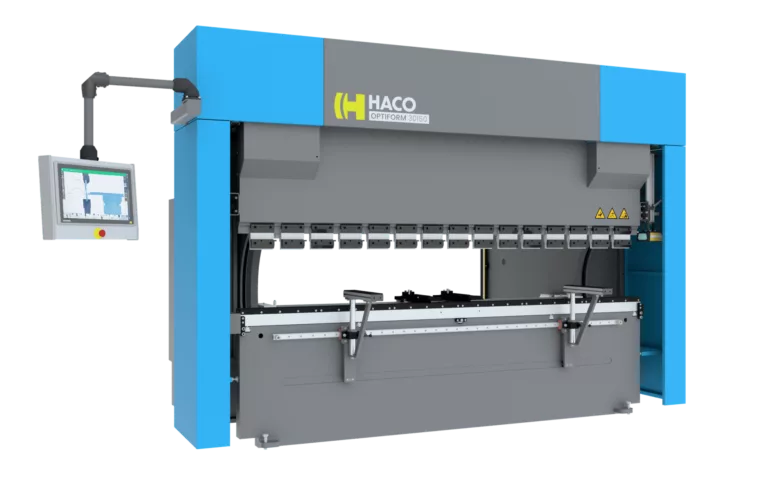
HACO OptiForm
Discuss the selected hydraulic configuration, tooling, backgauge and site requirements for your part mix.
Explore machines →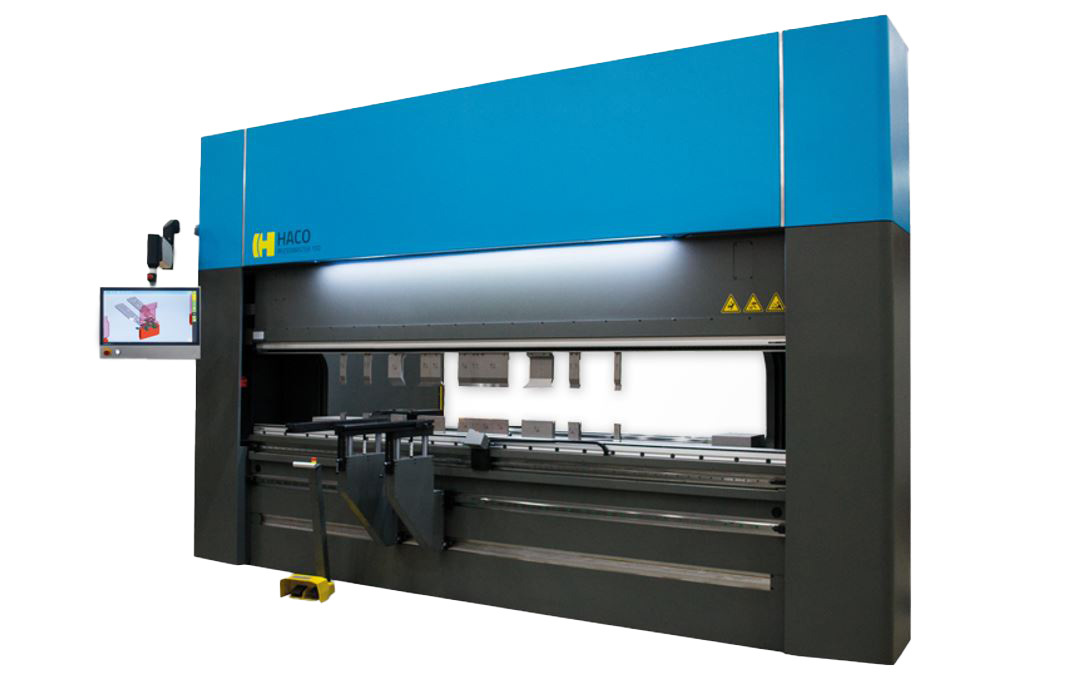
HACO PressMaster
Review the proposed machine and control configuration, representative sample bends and commissioning scope.
Explore machines →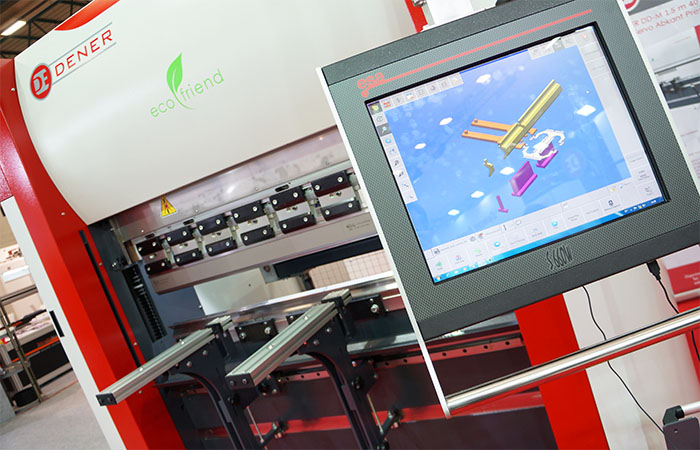
Dener servo-electric press brakes
Compare DDM and DDS options against your parts. Confirm the supplied model, electrical requirements and handover plan.
Explore machines →Product photographs show example configurations. Confirm supplied equipment and included services in the quotation.
Frequently asked questions
Does an operator handover checklist certify an operator?
No. It records the agreed training and observed tasks. Certification, competence assessment and authorization are separate matters determined by the applicable training and employer processes.
Can an operator make service-parameter changes after handover?
Only tasks within the person’s specifically authorized scope should be performed. A production handover does not grant permission to change safety or service settings.
Should attendance alone close the handover?
No. Record the tasks covered, observed evidence, assistance needed and open items. Identify who decides when the person may perform the agreed task independently.
When should a handover record be reviewed?
Review it when the job, tooling, program, machine configuration or assigned role changes, or when a performance issue indicates further instruction is needed. Follow the employer’s review process.