01 · Define the work
Identify material, dimensions, incoming condition and the surfaces to be processed.
A CANADIAN BRAND · POLAR FINISHING EQUIPMENT
Combination-head metal sanding
Bring sanding and finishing stages together around your application, tooling and desired result.
Branding illustration. Final machine configuration and appearance confirmed with your quotation.
Identify material, dimensions, incoming condition and the surfaces to be processed.
Agree on appearance and inspection requirements before evaluating representative samples.
Document the selected machine, tooling, extraction, site requirements and commissioning responsibilities in the offer.
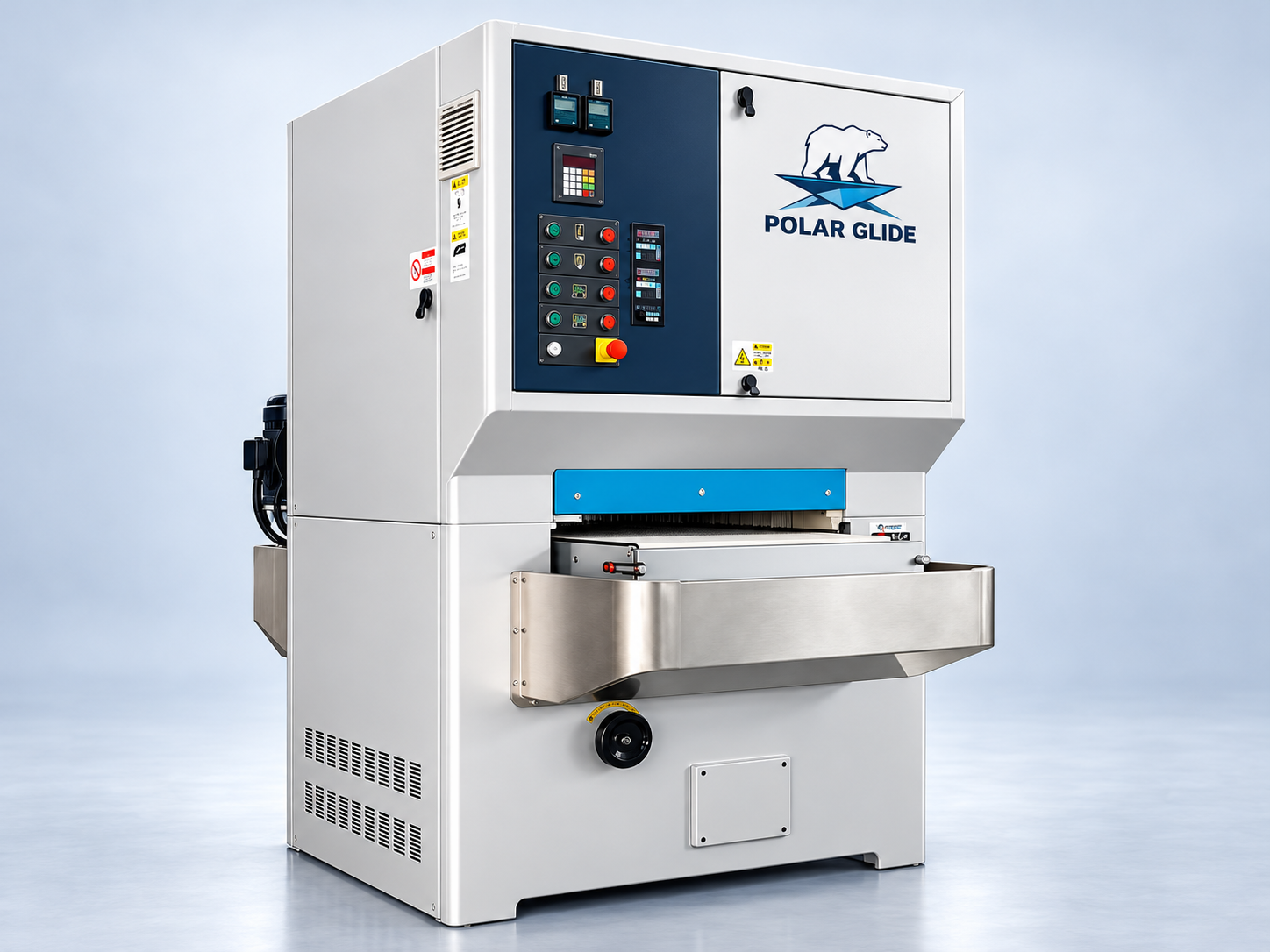
A focused starting point for lighter sanding work. Review your material, incoming surface and target finish to define the right configuration.
Explore Glide ↗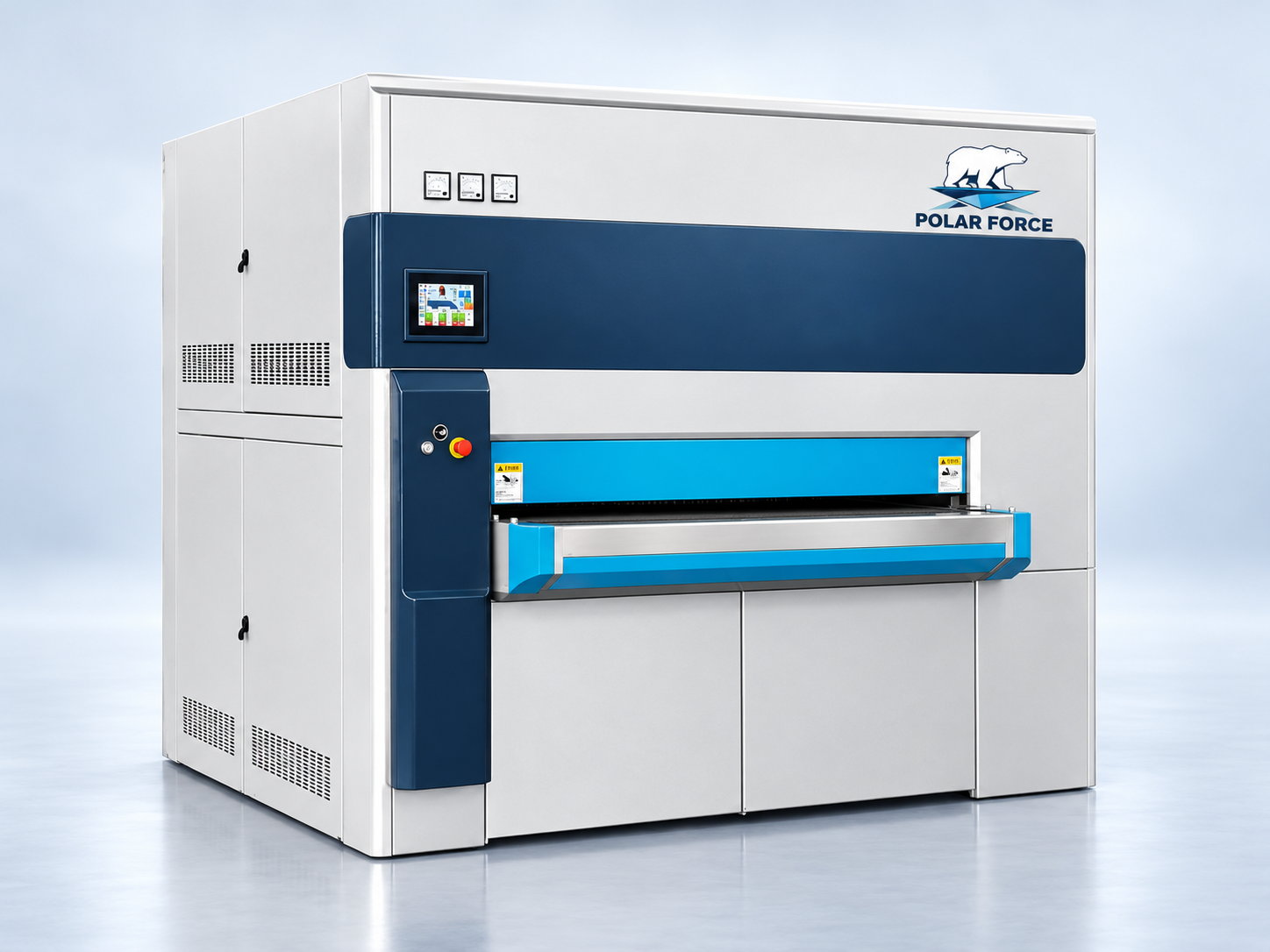
For shops evaluating a heavier-duty sanding platform. Match the machine configuration to your parts and production requirements.
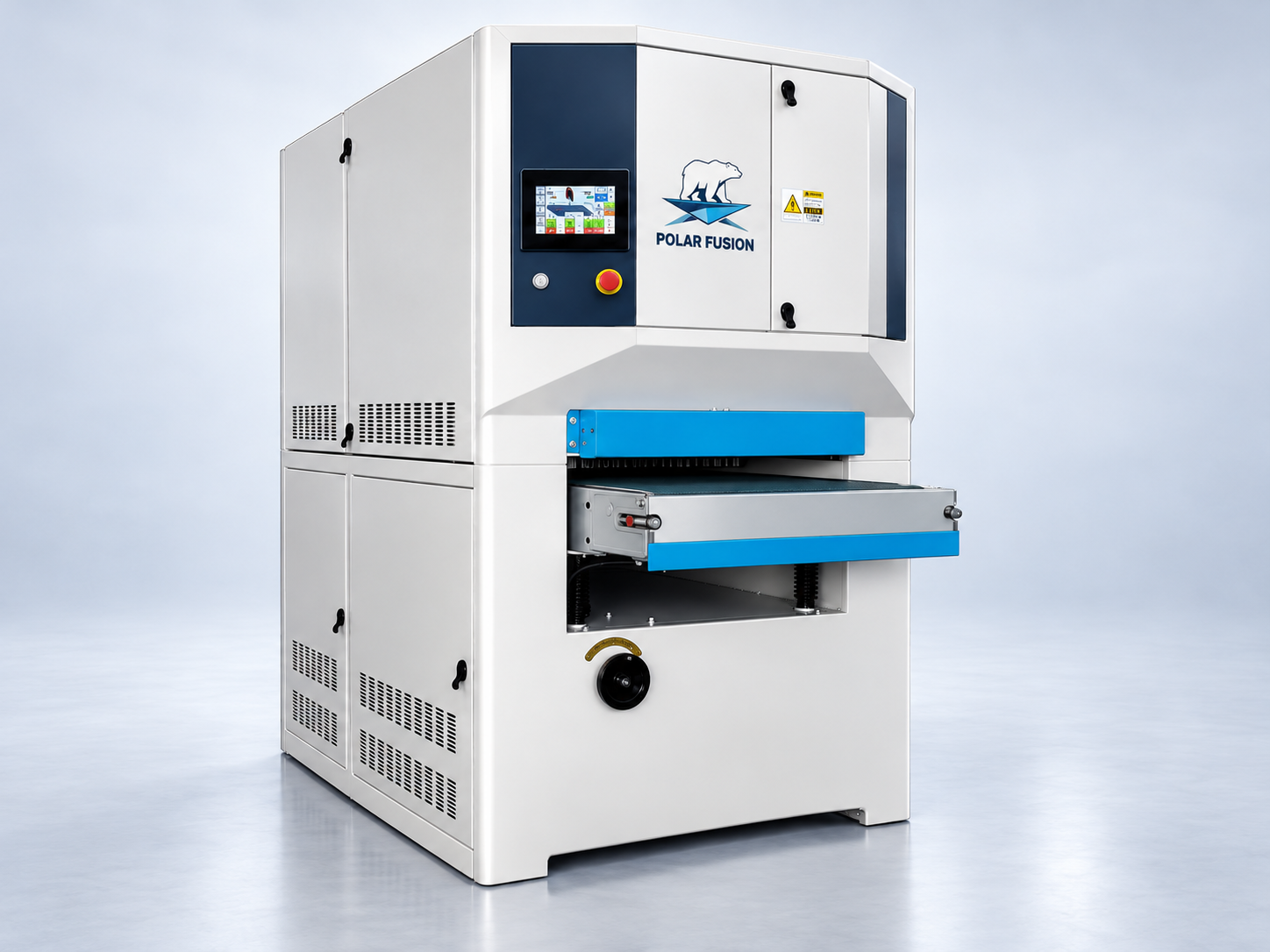
Explore Force ↗A combination-head platform for reviewing sanding and finishing stages together. Define the process around your required result.
Explore Fusion ↗Send material grade, width, thickness, length, flatness and incoming surface condition. Identify the faces to process and any protective film.
Provide a reference finish and representative parts. Agree on grain direction, appearance, measurement method and acceptable marking before ordering.
Confirm working width, head arrangement, abrasives, feed range, electrical supply, extraction and any wet-processing system. Document guarding, local electrical approval, installation and training scope.
Specifications, accessory inclusion, pricing and delivery are confirmed in the written offer. Processing results depend on the selected configuration, material, abrasives and incoming part condition.
Polar Fusion remains the combination-head range. Exact dimensions and motor ratings depend on the selected Fusion configuration. Request a confirmed specification sheet with your quotation.
On smaller screens, swipe the table to see all columns.
| Technical item | Catalogue reference | Selection note |
|---|---|---|
| Sanding stages | Combination-head arrangement | Confirm head type, order and individual drive ratings. |
| Working width and thickness | Configuration to be selected | Specify actual part dimensions and support needs. |
| Abrasives and brushes | Select for the application | Confirm tool dimensions, speed range, grit and consumables. |
| Top or bottom processing | Confirm the machine arrangement | Do not assume simultaneous two-face processing. |
| Wet/dry operation and extraction | Confirm the selected process | Document water circulation or extraction requirements. |
| Acceptance | Representative part trial | Agree on finish, edge condition, marking and number of passes. |
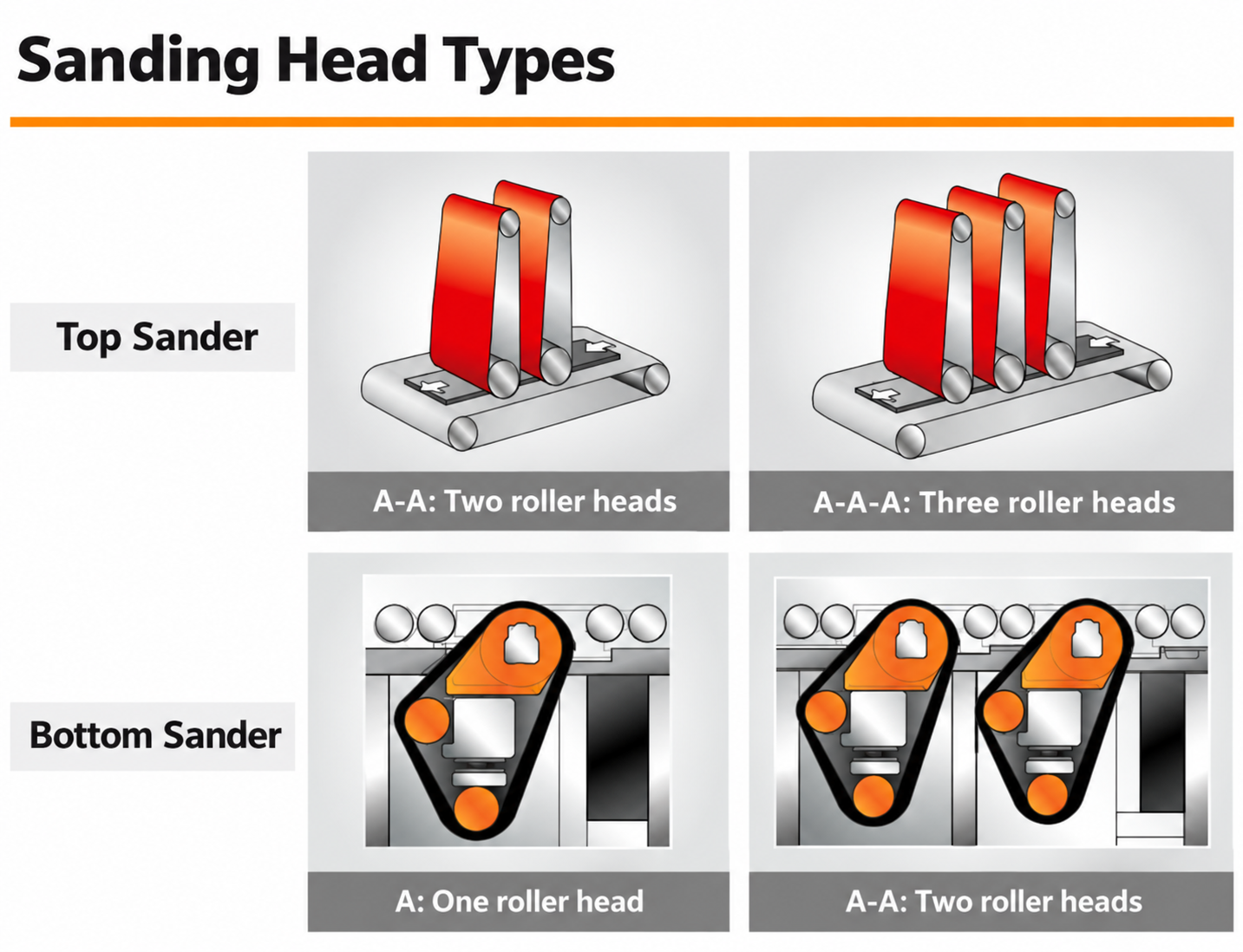
The metal-sander catalogue illustrates top sanding with two or three roller heads and bottom sanding with one or two roller heads. These are alternative machine arrangements; a top-sanding machine does not automatically include bottom sanding.
A roller head uses an abrasive belt over a contact roller. Brush or disc stages are selected separately around edge treatment, surface appearance and part geometry. For two-face work, confirm whether the proposed process uses separate machines, a dedicated line or part reversal.
Discuss your head configuration ↗Original catalogue tooling photographs. These are selection options, not a statement that every brush is included or fits every Polar model.
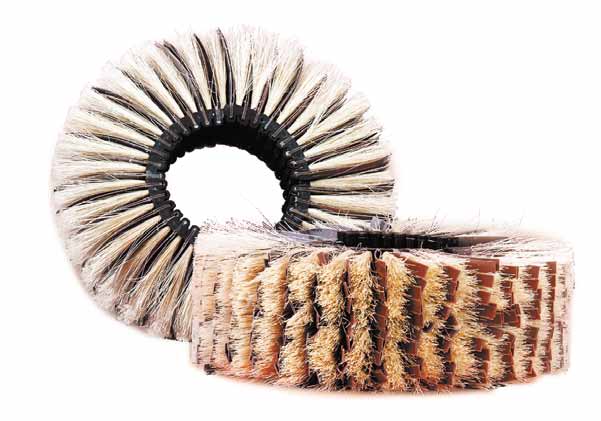
Abrasive flaps with supporting fibres. Specify the abrasive, grit and required surface treatment.
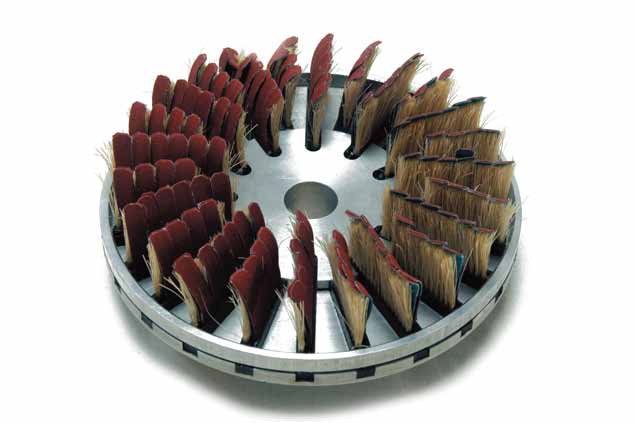
A disc-format tool for a compatible brushing station. Confirm part holding and the desired edge result.
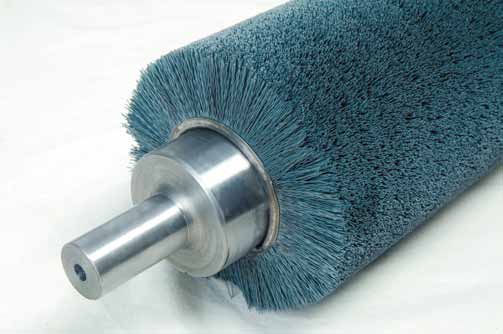
A catalogue-listed brush format. Confirm filament type and compatibility with the work material.
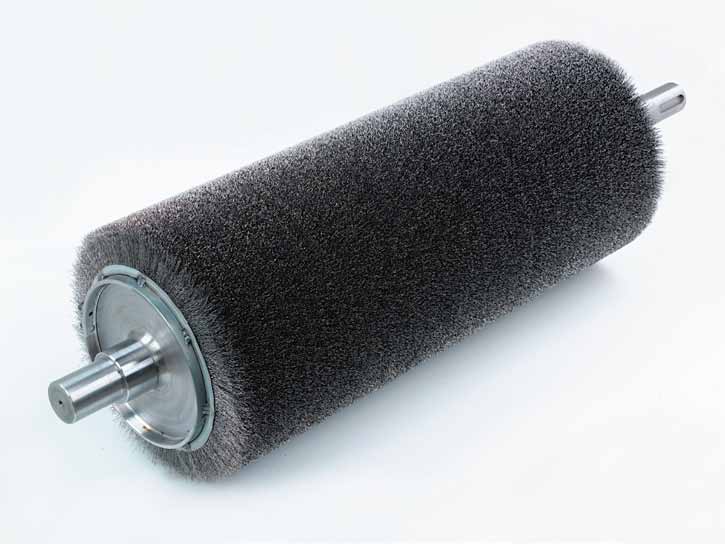
Select wire type and material compatibility; agree on acceptable marking and contamination controls.
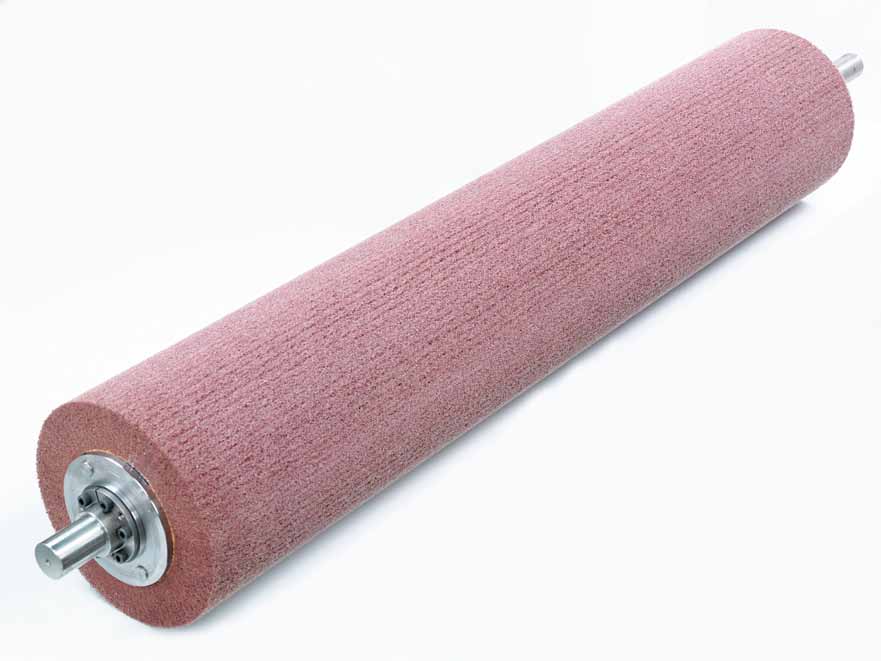
A non-woven abrasive format for evaluating blending and finishing requirements.
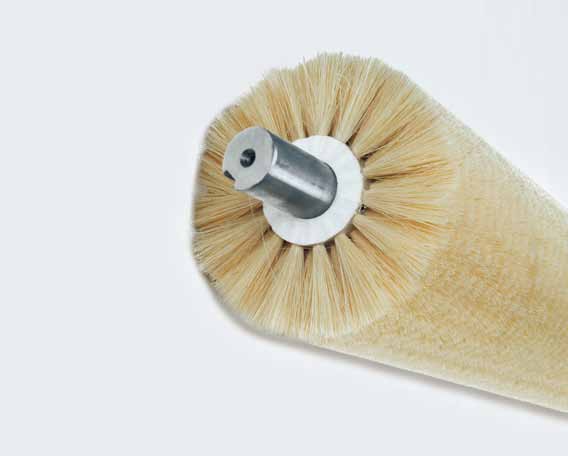
A fibre-bristle format. Confirm its cleaning or finishing role in the selected machine.
Bring your material, part dimensions, incoming condition and target finish. We’ll use those details to discuss the machine and quotation scope.