Force and working space
List material grade, thickness and longest bend. Ask the supplier to check force with the proposed tooling, then confirm working length, opening height and clearance for the complete bend sequence.
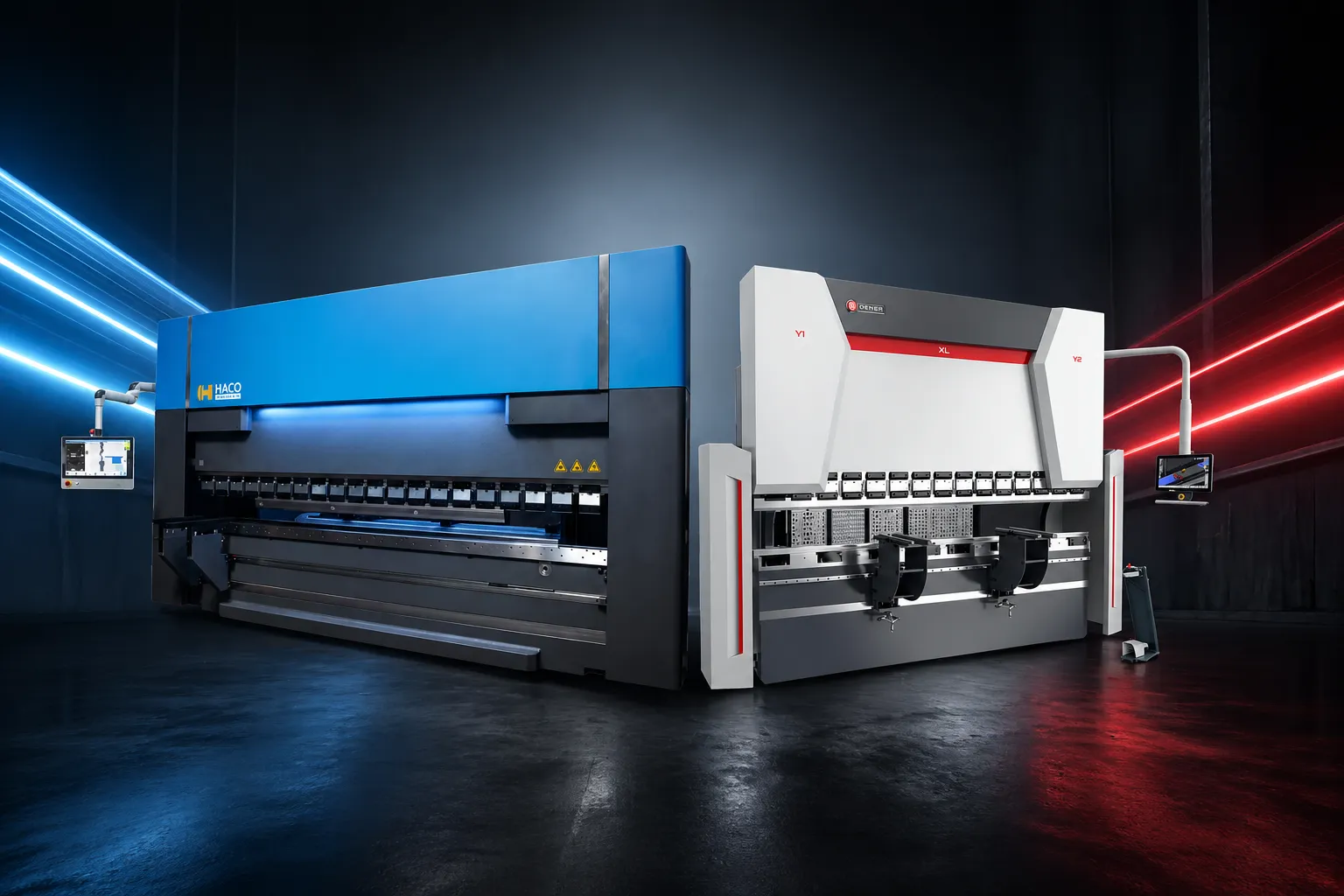
Hydraulic Press Brakes
Compare HACO and Dener hydraulic press brakes for your material, bend length and production mix. Review the machine, tooling and backgauge configuration together before requesting a quote.
Why Hydraulic?
Hydraulic press brakes remain the most widely used bending machines in metal fabrication. Here’s why shops choose them. For the full technical breakdown, see our guide to how CNC hydraulic press brakes work.
From 60 to 600+ tons, hydraulic press brakes handle everything from thin gauge sheet to heavy plate bending in a single machine.
Decades of proven technology. Hydraulic systems are well-understood, easy to service, and parts are widely available globally.
Dollar for dollar, hydraulic press brakes deliver the most bending force for the investment — especially at higher tonnages.
Our Hydraulic Press Brakes
From accessible entry-level to top-tier production machines — find the hydraulic press brake that matches your shop’s needs and budget.
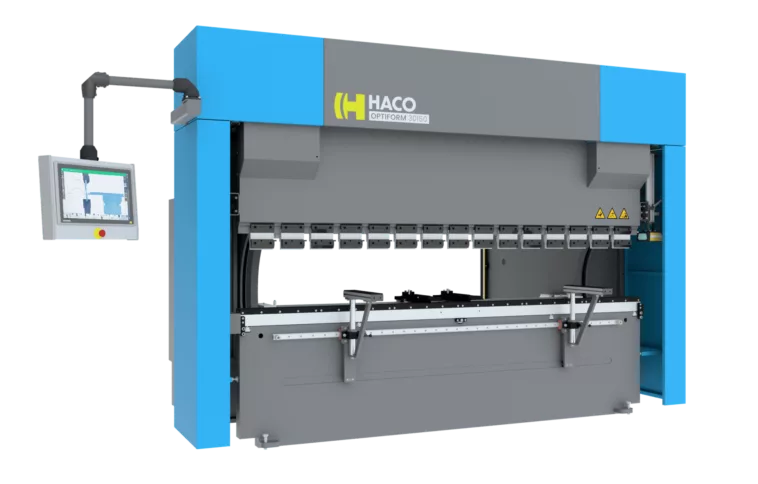
European-grade precision with the intuitive EASYBEND control. An ideal first step into premium hydraulic bending technology.
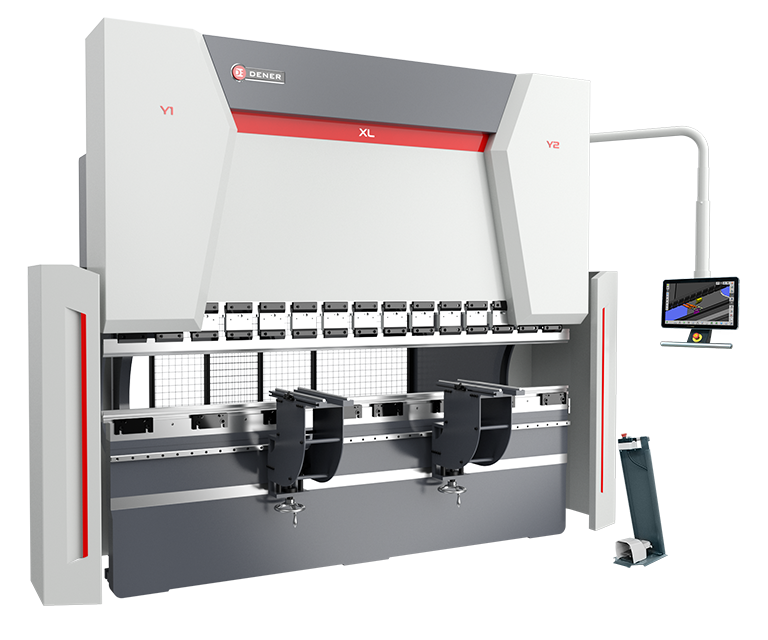
Economical, powerful, and fast. The ESA S640 2D control completes multi-step parts in a single operation with direct angular programming.
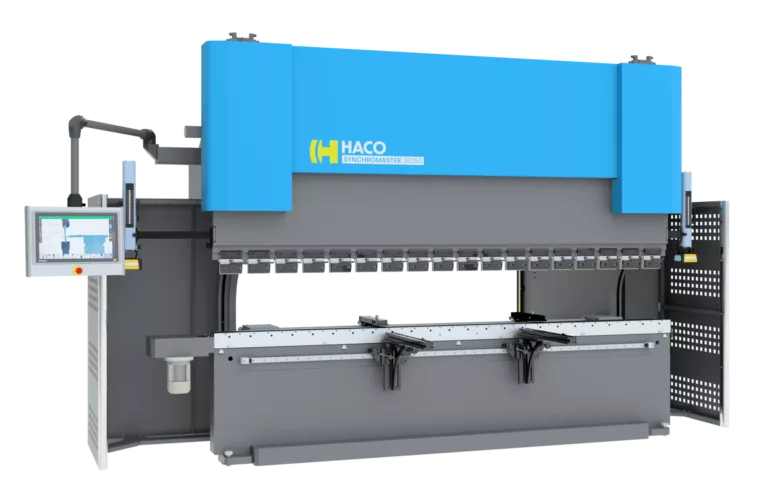
Synchronized hydraulic cylinders deliver consistent, repeatable accuracy across the full bed length with expandable back gauge configurations.
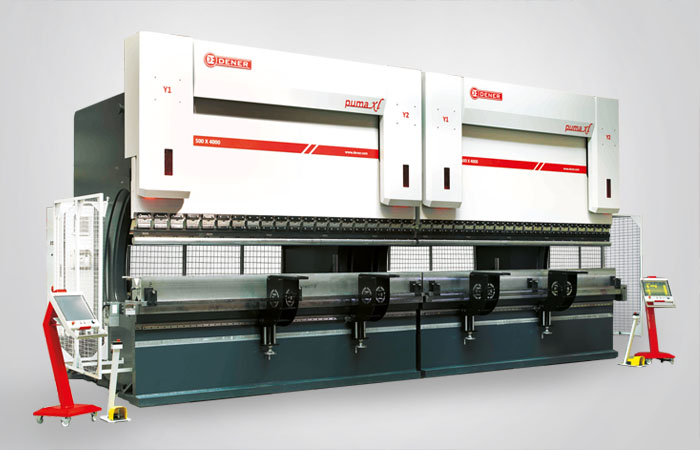
Heavy-frame hydraulic press brake with ESA 875 3D touchscreen. Draws parts on-screen with automatic bending step calculation.
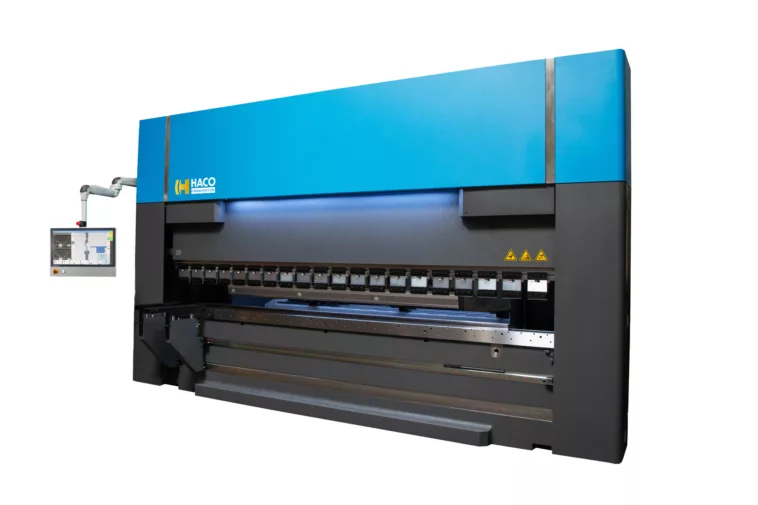
HACO’s premium press brake with FASTBEND-2D MT multi-touch control featuring Smart Draft, auto tooling, and step previewer.
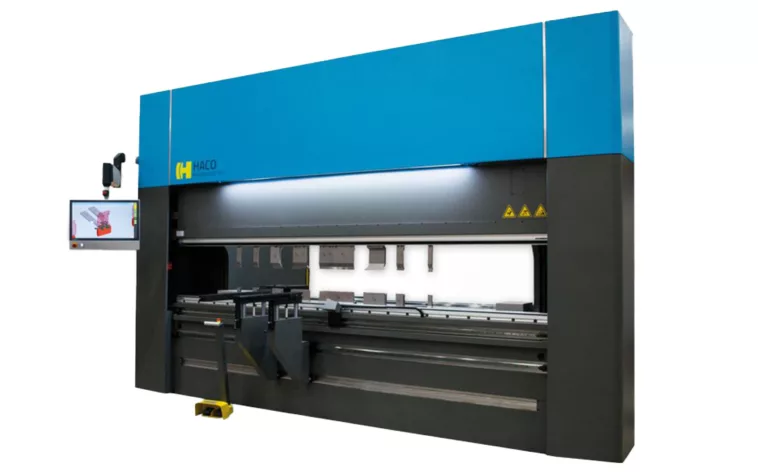
The pinnacle of HACO bending. Highest speeds, hydraulic NS clamping, CNC crowning, FASTBEND-3D MT 24″ multi-touch control.
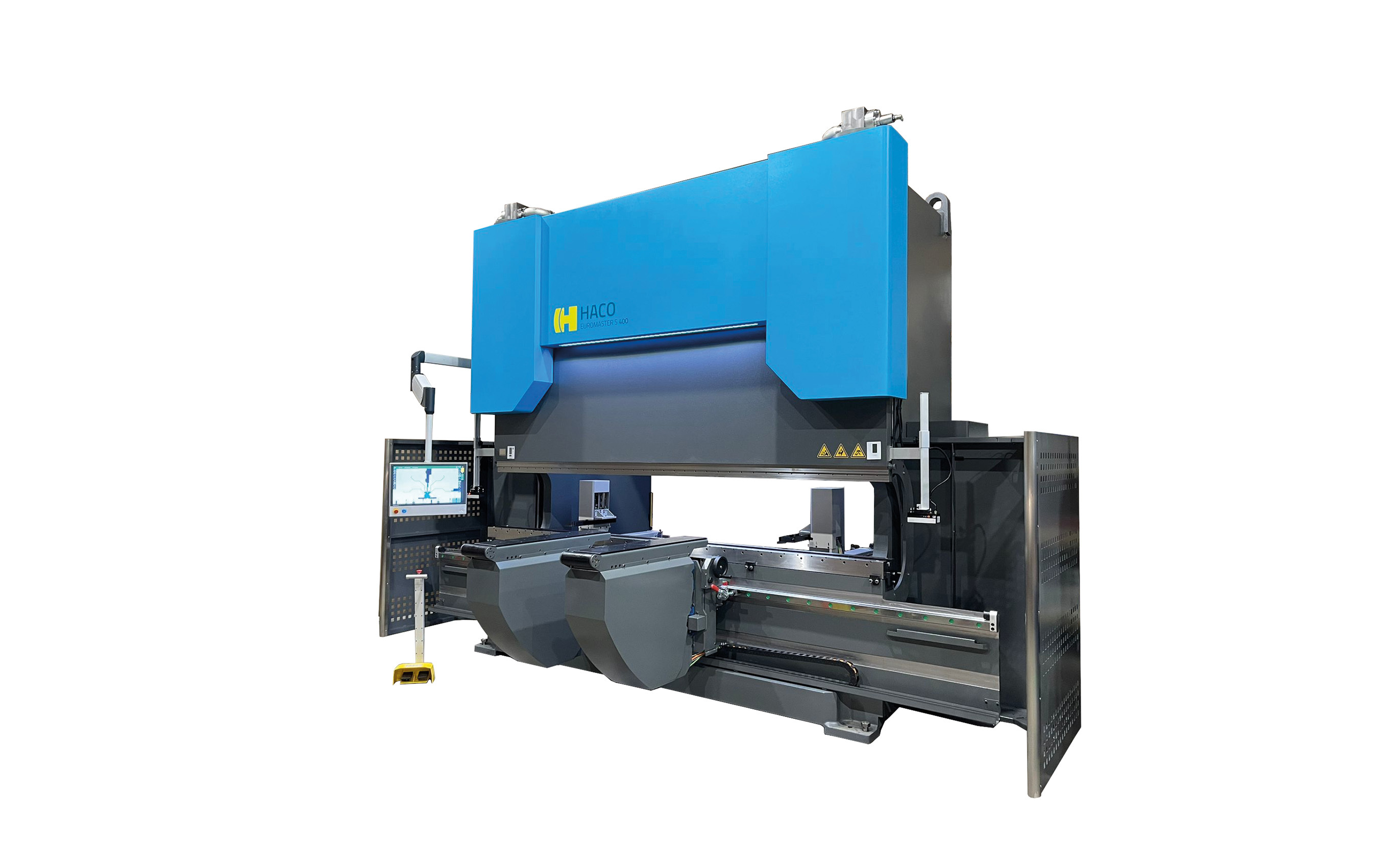
Heavy Duty Synchro press brake for the most demanding high-tonnage applications. 400 to 2,000 tons of press force for thick plate and high-tensile material bending.
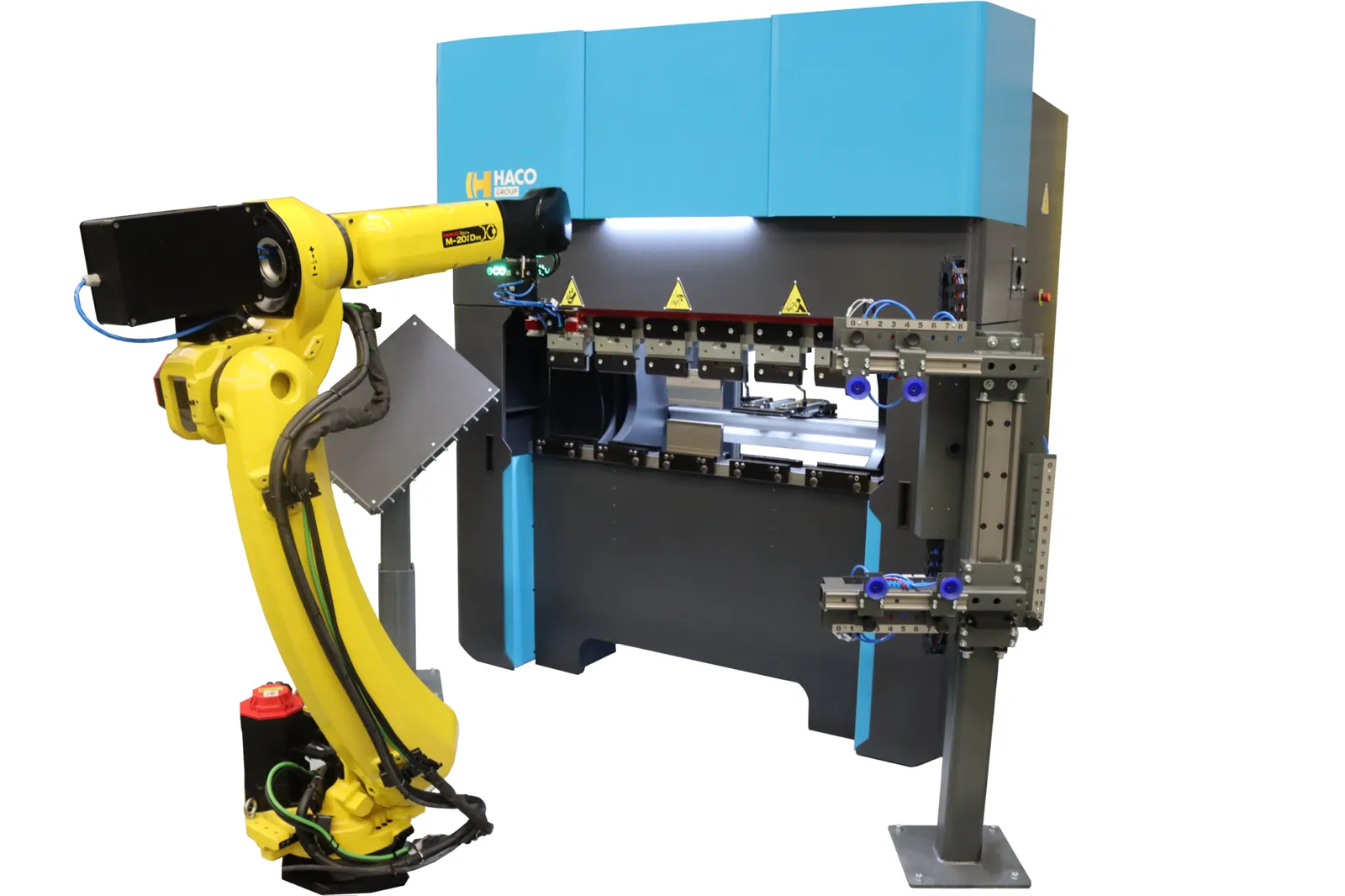
Compact robot bending cell for automated production. Fully offline programming — no robot teaching required. FANUC 6-axis, 4×5 m footprint, lights-out capable.
Start with representative drawings, not just a tonnage label. Compare each proposed machine against the same material, tooling, bend sequence and finished-part requirements.
List material grade, thickness and longest bend. Ask the supplier to check force with the proposed tooling, then confirm working length, opening height and clearance for the complete bend sequence.
Review short flanges, stepped parts and return bends. Confirm which axes, programming functions and offline software are included, and request a demonstration using one of your more difficult parts.
Compare tooling, delivery, installation, training and service scope in writing. Include site power, access and safeguarding review in the discussion so quotations cover the same requirements.
Tonnage Calculator
Enter your material and bend parameters to estimate required bending tonnage, inside bend radius, K factor, and minimum flange length.
Not sure which model fits your shop?
Try our tonnage calculator to size your machine, or tell us what you’re bending and we’ll recommend the right hydraulic press brake.
Press Brake Tooling
Upper punches, V-dies, multi-V blocks, gooseneck tools, hemming tools — precision-ground and ready to ship.


Why Buy from RiseTek
Every press brake comes backed by local expertise, factory-trained technicians, and Canadian service commitment.
Tonnage, drive type, accuracy and what ships with the machine.
A CNC hydraulic press brake uses hydraulic cylinders to move the ram, with CNC control of the programmed bending sequence and available machine axes. Servo-electric alternatives use electromechanical drives such as belts or ball screws, depending on the design.
Compare the machines against your required force, working length, part geometry and production mix. Hydraulic and servo-electric configurations have different drive and maintenance arrangements; purchase price, energy use and cycle time should be compared for the same work rather than assumed from the drive label.
Required force depends on material strength, thickness, bend length, die opening and bending method. The calculator provides an air-bending estimate, not approval of a machine or tool setup. Confirm machine and tooling load limits with the supplier for the intended parts.
Rise Tek supplies hydraulic press brakes from HACO and Dener, including the OptiForm, Smart XL, SynchroMaster, Puma XL, EuroMaster S, PressMaster, HDSY and FlexBend models. Entry-level through heavy-duty configurations are available.
Ask for a written quotation that identifies the machine configuration and which tooling, delivery, installation, training and service items are included. Confirm site requirements, responsibilities and exclusions before comparing offers.
Finished angle consistency depends on material variation, tooling, setup, machine control and any fitted angle-correction system. Ask for a demonstration against your drawing tolerances; ram-position repeatability alone does not establish finished-part accuracy.