Three-roll and four-roll describe the roll arrangement, not a complete capacity specification. This education guide explains the terms Canadian fabricators will encounter when comparing RollTek VERTEX and TITAN quotations. Use it to prepare a supplier review; operating instructions must come from the manual and training for the actual machine.
How the roll layouts differ
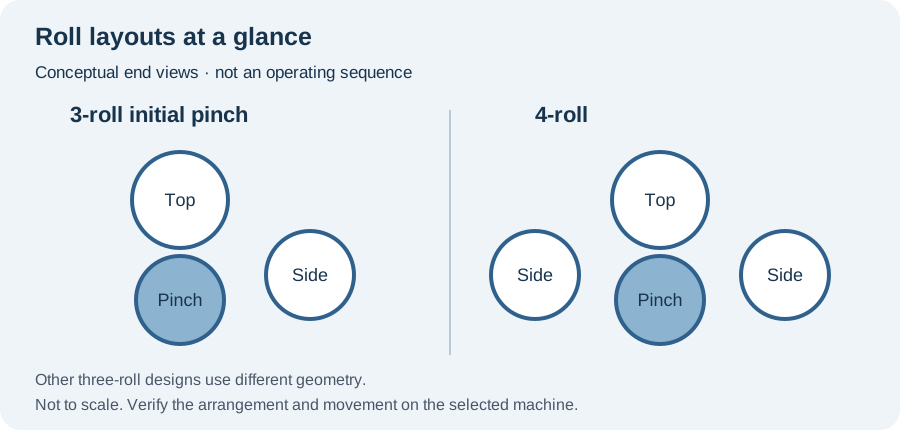
In an initial-pinch three-roll layout, the top and lower rolls grip the plate while a side roll provides the bending action. A four-roll layout adds a second side roll around the top/bottom pinch pair. The arrangement affects plate control and the sequence used to form each end.
Other three-roll architectures include double-pinch and variable-geometry designs. Their roll movements and pre-bending sequences differ. The diagram below is an initial-pinch comparison, not a description of every three-roll machine.
Pre-bending, rolling and the straight end
Pre-bending develops curvature near a plate end. Main rolling develops the body curvature. The remaining straight portion near an end is often called an end flat. Agree how it will be measured and how much is acceptable before comparing samples.
A four-roll layout can retain the plate between the pinch rolls while the side rolls are used in the forming sequence. That does not mean both ends are formed simultaneously or that every cylinder needs only one pass. Plate geometry, material behaviour and the approved process still matter.
Read a capacity rating as a set of conditions
| Term | Meaning for your comparison |
|---|---|
| Material basis | Identify the grade and strength used for the rating. Do not apply a mild-steel rating to stainless or high-strength steel without confirmation. |
| Working width | The width of plate being formed across the rolls. Confirm capacity at your actual width. |
| Plate thickness | Record separately the rated rolling thickness and pre-bending thickness. |
| Diameter condition | State finished inside or outside diameter and the diameter condition associated with the capacity chart. |
| End-flat requirement | Agree the acceptable straight length near each seam edge and the measurement method. |
| Supports and geometry | Identify cylinder, cone or other shape, plus required support equipment and any application limitations. |
A rating is not a simple width-times-thickness trade. Nor does a fixed multiple of top-roll diameter establish every machine’s minimum finished diameter. Ask the supplier to confirm the complete part requirement against the selected model.
Worked example: what is missing from a job description?
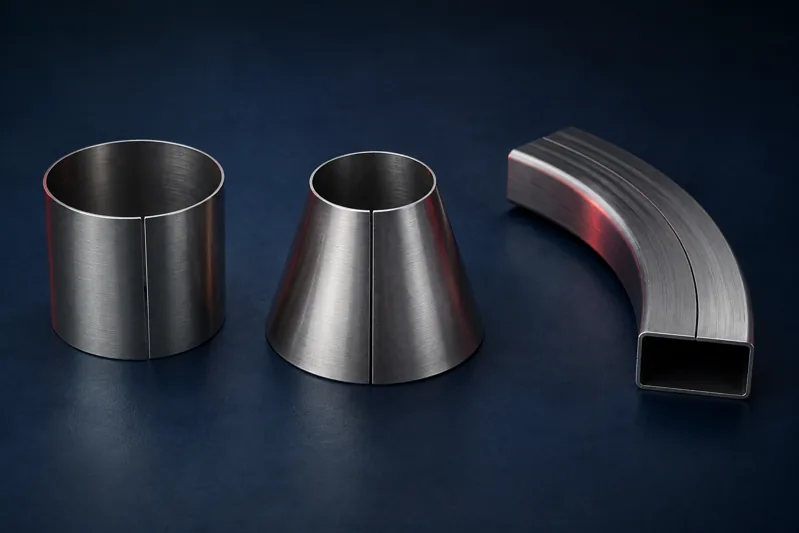
“We need to roll 6 mm plate” is not enough to select a machine. A useful enquiry also identifies the material grade and strength, plate width, target diameter, permitted end flats, required roundness and batch size. A narrow plate and a full-width plate of the same thickness are different capacity questions.
Supply the part drawing with the diameter convention marked. Ask the supplier to state both rolling and pre-bending capability for that job, along with any support or cone equipment required. Keep unconfirmed fields open rather than assuming that a brochure’s largest number applies.
What do NC and CNC tell you?
A control label does not describe every included function. Confirm which movements are displayed, stored or controlled, how a job is recalled, and which adjustments still require an operator. For repeat work, demonstrate a new setup and a repeat setup on the proposed configuration.
For a purchasing decision, continue to the Canadian 3-roll versus 4-roll buyer comparison. For a detailed review, use the pre-bending capacity guide, sample-acceptance guide and blank buyer checklist.
Planning a tapered shell? Use the cone-rolling application checklist to define geometry, accessories and supplier-confirmed capacity.
Complete the equipment scope with our plate-roll supports and handling quotation guide, covering accessory confirmation, site access and acceptance checks.
Define appearance requirements with our stainless plate-rolling finish and marking acceptance guide, covering reference samples, inspection conditions and repair approval.
Check these out
Compare the exact RollTek model, controls and accessories against your drawings and capacity requirements.
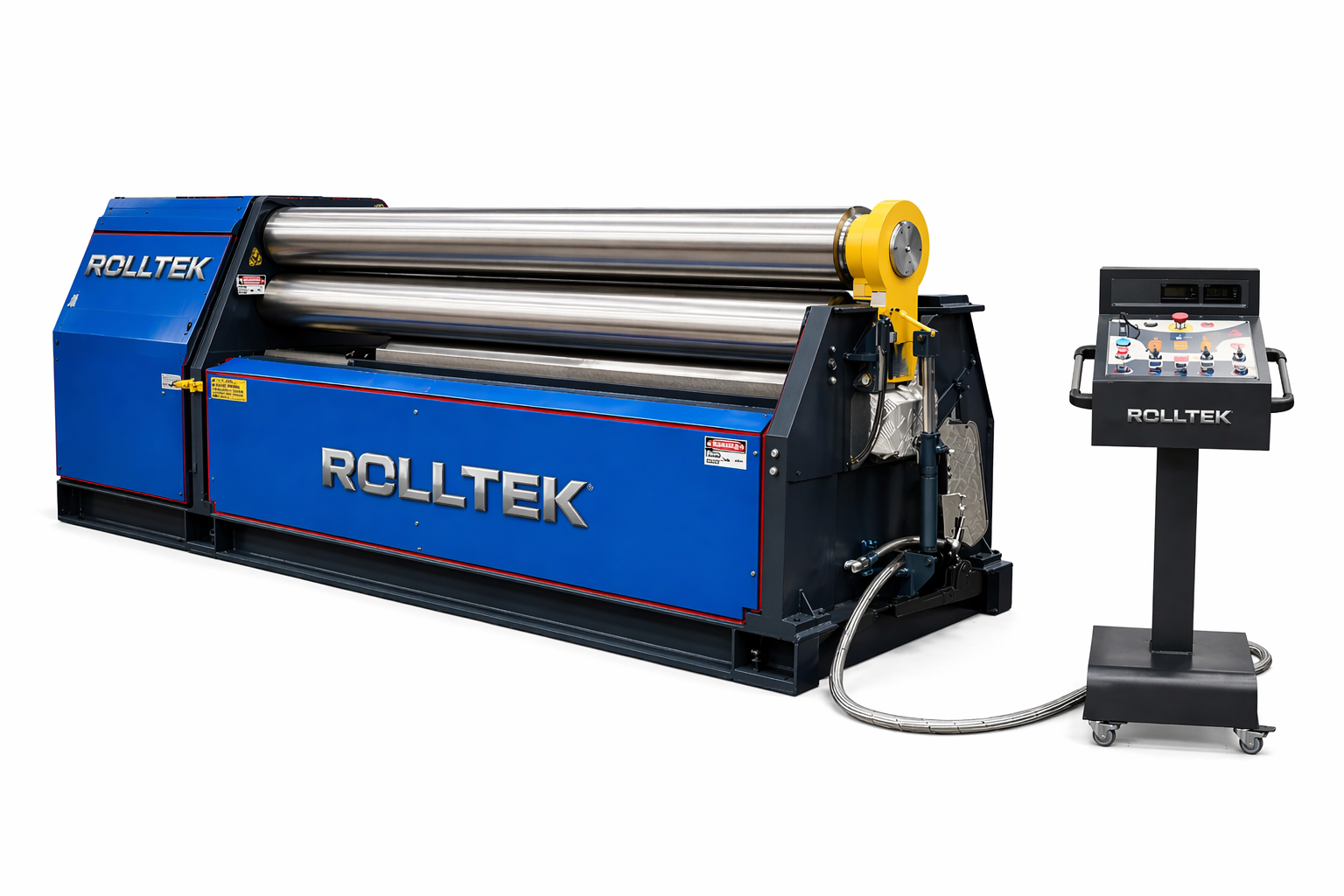
RollTek VERTEX 3-Roll Plate Rolls
Explore the initial-pinch range and discuss the handling sequence, pre-bending rating and control options for your work.
View machine →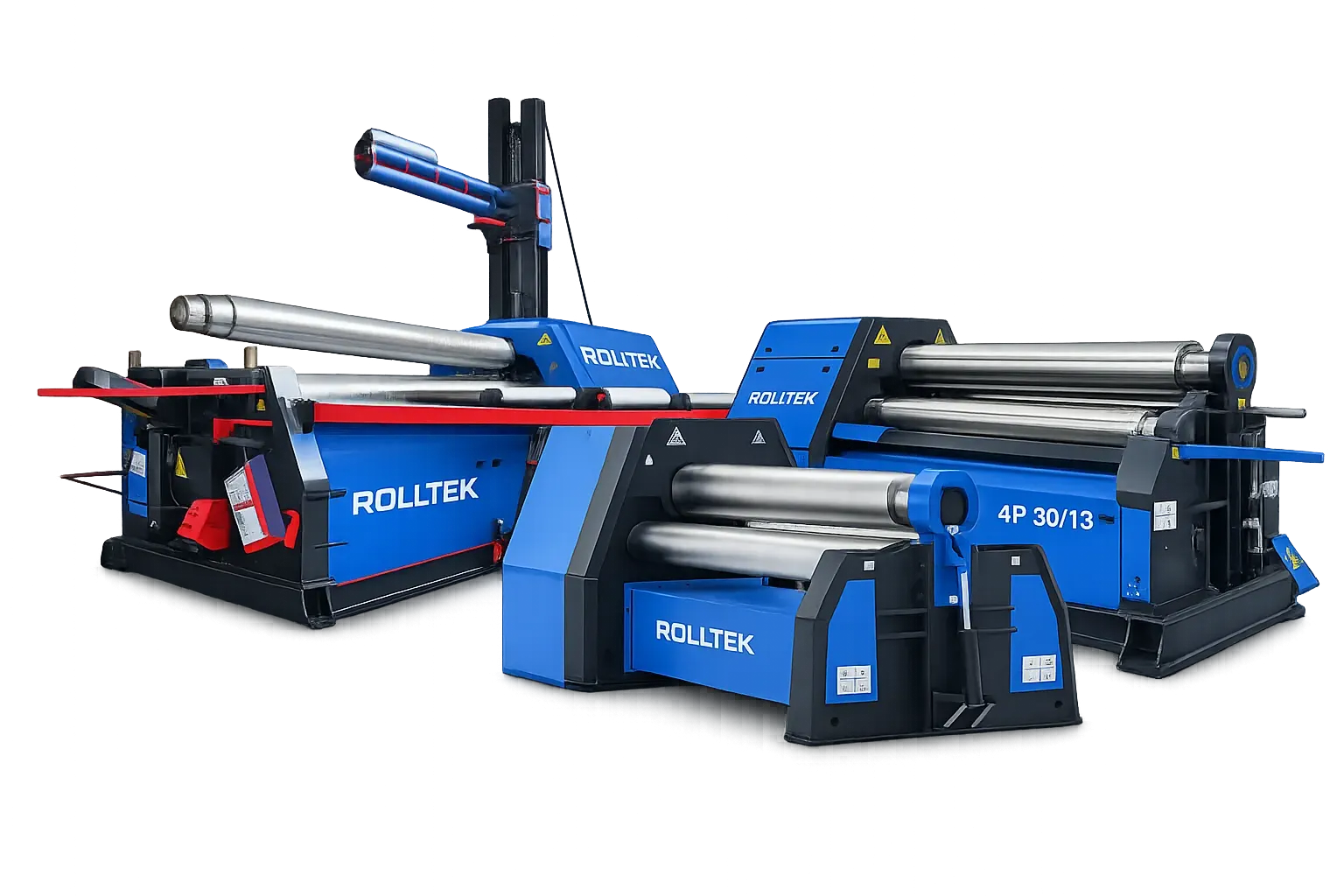
RollTek TITAN Hydraulic 4-Roll Plate Rolls
Review the four-roll range and confirm NC/CNC configuration, plate supports and sample acceptance.
View machine →Frequently asked questions
What is pre-bending capacity?
It describes the plate-end forming capability under stated material, width and diameter conditions. It can differ from the machine’s rolling capacity; confirm both for the same part.
Does a CNC plate roll eliminate springback?
No. Material behaviour still affects the result. Confirm how the proposed machine and process account for it, and inspect representative parts against the drawing.
Can I use a mild-steel rating for stainless steel?
Do not assume the rating transfers. Give the supplier the actual material grade, strength, width, thickness and required diameter for a configuration-specific capacity review.
Does four-roll mean one-pass rolling?
No. Four-roll describes the layout. The number of passes and end-forming sequence depend on the part, machine and approved process.